Guide
Asian Art Museums in Europe: A Country-by-Country Guide
Europe has no single great museum of Asian art. It has about a dozen serious ones, spread across nine countries, and most visitors only ever hear about the one in Paris. If you want the short answer: the largest and most encyclopaedic collection is at the Guimet Museum of Asian Art in Paris. The deepest ethnographic holdings are in Leiden at the National Museum of Ethnology. Italy has two very different collections, in Genoa and Turin. And there are strong, badly under-visited museums in Krakow, Warsaw, Corfu, Leipzig, Geneva and Riga.
By country, the museums worth planning a trip around are: France (Guimet, Paris), the Netherlands (Volkenkunde in Leiden, Princessehof in Leeuwarden), Italy (Chiossone in Genoa, MAO in Turin), Germany (GRASSI in Leipzig), Switzerland (MEG in Geneva), Poland (Manggha in Krakow, the Asia and Pacific Museum in Warsaw), Greece (Corfu), Latvia (Art Museum Riga Bourse) and Russia (State Museum of Oriental Art, Moscow). Each of these was a member of ASEMUS, the Asia-Europe Museum Network, and each holds material you cannot see anywhere else on the continent.
France: the Guimet, and why it sets the standard
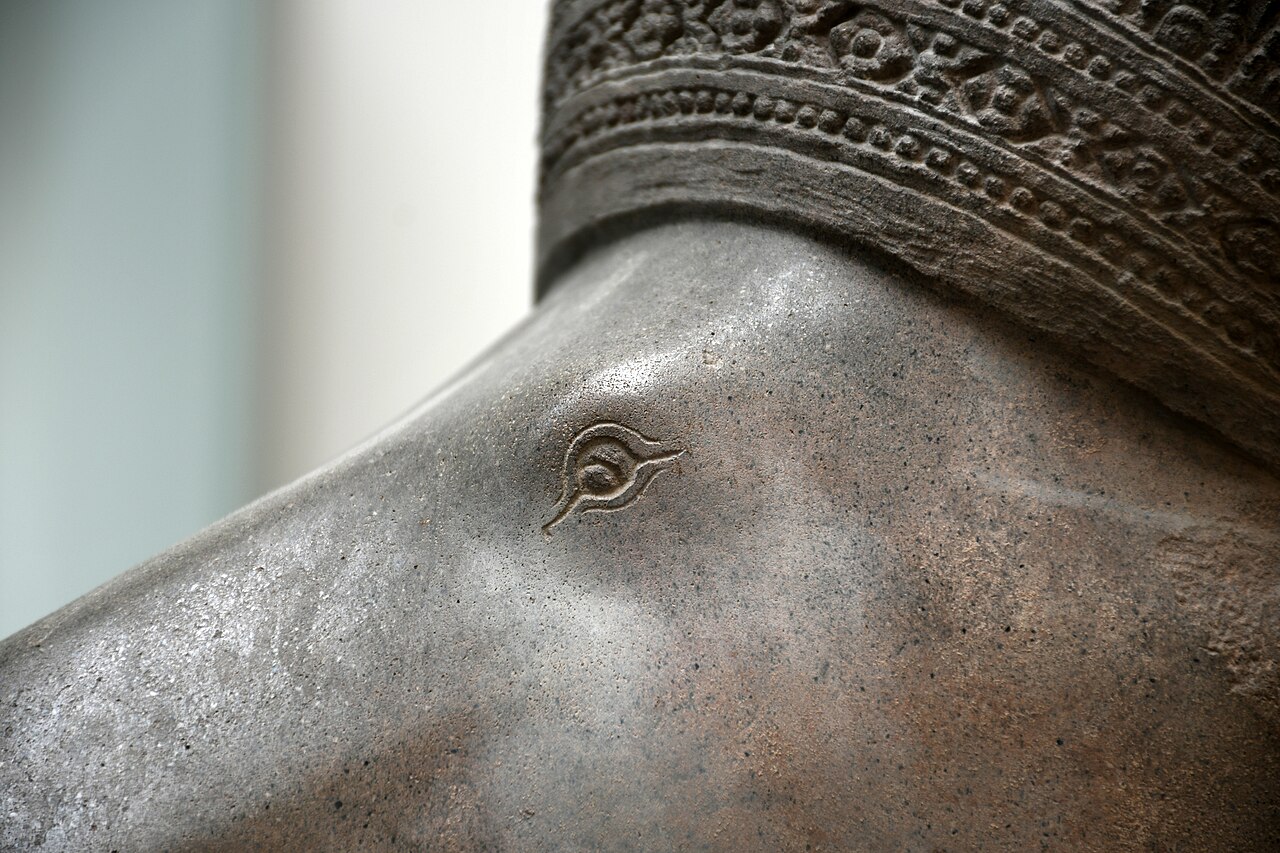
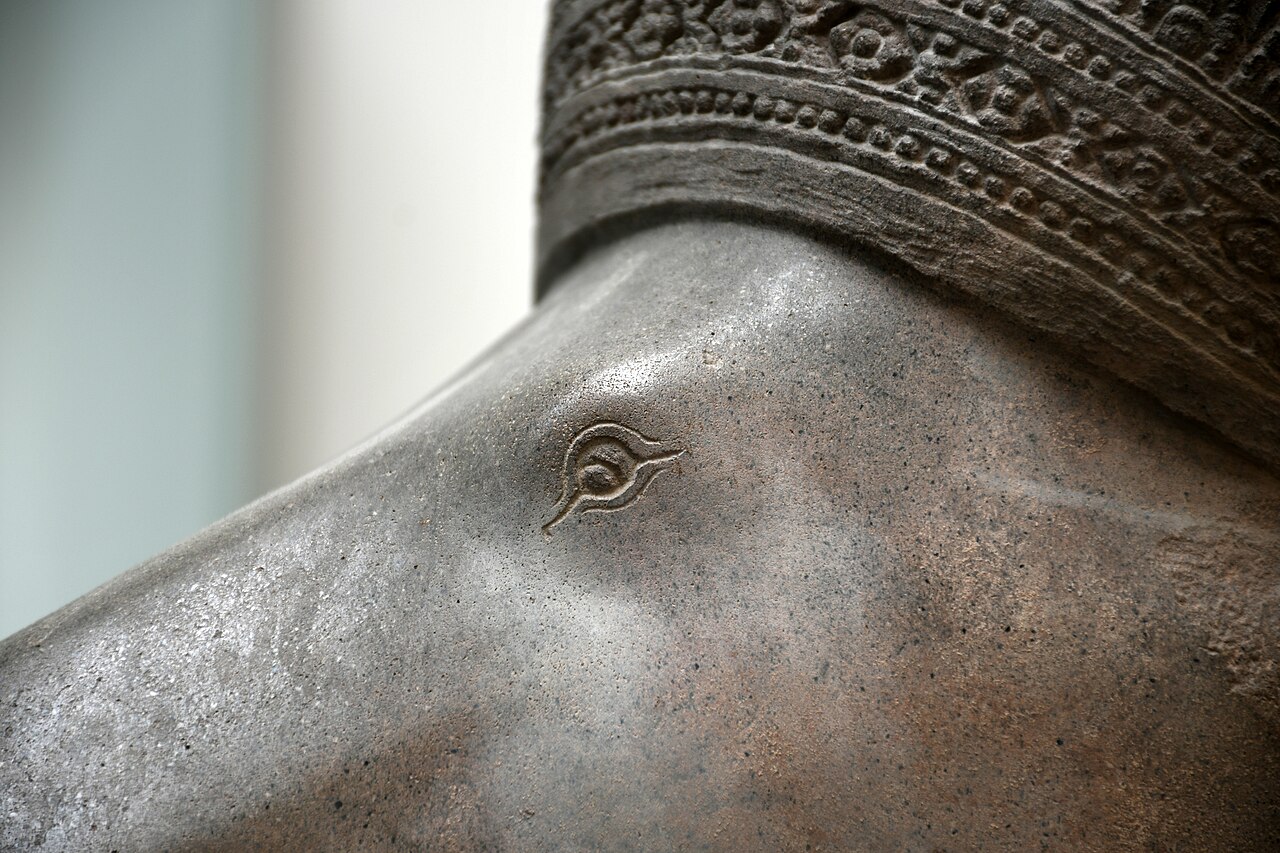
The Guimet is the reference point for Asian art in Europe, and it is not close. Emile Guimet, a Lyon industrialist, began collecting religious art on a journey through Japan, China and India in 1876; his museum opened in Lyon in 1879 and moved to Paris a decade later. What makes it exceptional is coverage. Khmer sculpture from Angkor, Gandharan Buddhas, Chinese bronzes and Japanese lacquer sit in one building, arranged so you can actually trace how a motif travelled from India to Japan.
If you only have one day for Asian art in Europe, spend it here. Two galleries are usually enough to see why: the Khmer rotunda on the ground floor, and the Chinese ceramics upstairs.
The Netherlands: two museums that split the job
Leiden and Leeuwarden divide Asian material between them, and the split is worth understanding before you go.
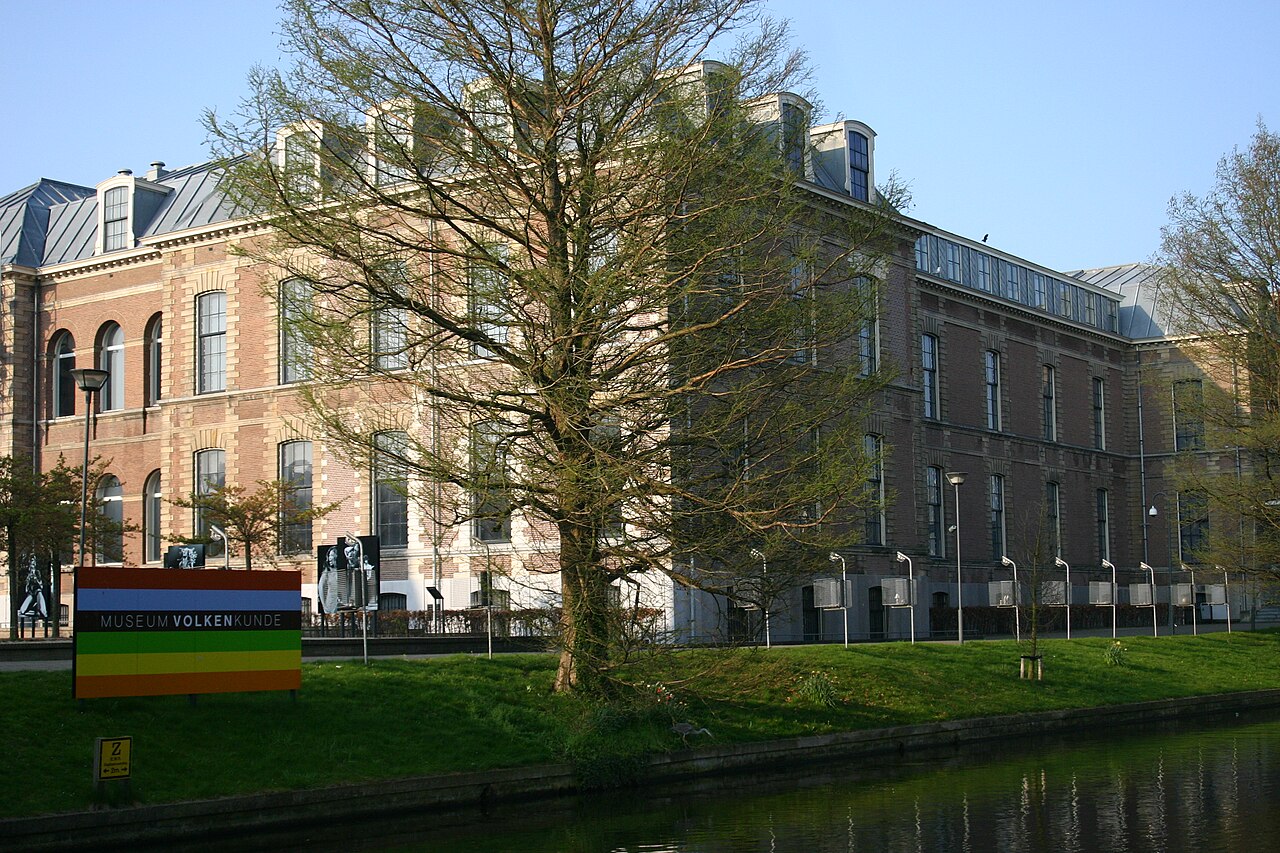
The National Museum of Ethnology in Leiden, founded in 1837, is one of the oldest ethnographic museums anywhere. Its Japanese and Indonesian holdings are extraordinary because of when they were collected: the Dutch had a trading post at Dejima in Nagasaki for two centuries, and objects arrived in Leiden while Japan was still closed to most of the world. The Siebold collection alone justifies the trip.
The Princessehof Ceramic Museum in Leeuwarden takes the narrower path and does it better than anyone: it is the Netherlands' national ceramics museum, and its Chinese and Japanese export porcelain tells the commercial half of the story that Leiden tells ethnographically. Kraak ware, Imari, the pieces made specifically for European tastes. If you care about how Asia and Europe actually traded, this is the more informative of the two.
Italy: Genoa and Turin, opposite approaches
Italy's two collections could not be less alike, which is why serious visitors do both.
The Edoardo Chiossone Museum of Oriental Art in Genoa is a single man's collection, and it shows in the best way. Chiossone was an engraver who spent more than twenty years in Japan from 1875, working for the government printing bureau and designing banknotes. He bought constantly, with an engraver's eye, and left roughly 15,000 objects to his home city. The armour and the ukiyo-e prints are the highlights.
The Museum of Oriental Art in Turin, known as MAO, is the modern counterweight. It opened in 2008 in Palazzo Mazzonis and is organised by region rather than by donor, with distinct sections for South Asia, China, Japan, the Himalayas and Islamic countries. Cleaner, more didactic, easier for a first-time visitor.
Germany and Switzerland
The GRASSI Museum of Applied Arts in Leipzig approaches Asia through craft rather than through art history, which produces a different and often more interesting selection: textiles, metalwork, ceramics and furniture shown alongside European applied art of the same periods. Leipzig also has a separate ethnographic GRASSI museum, so check which building you want before you travel.
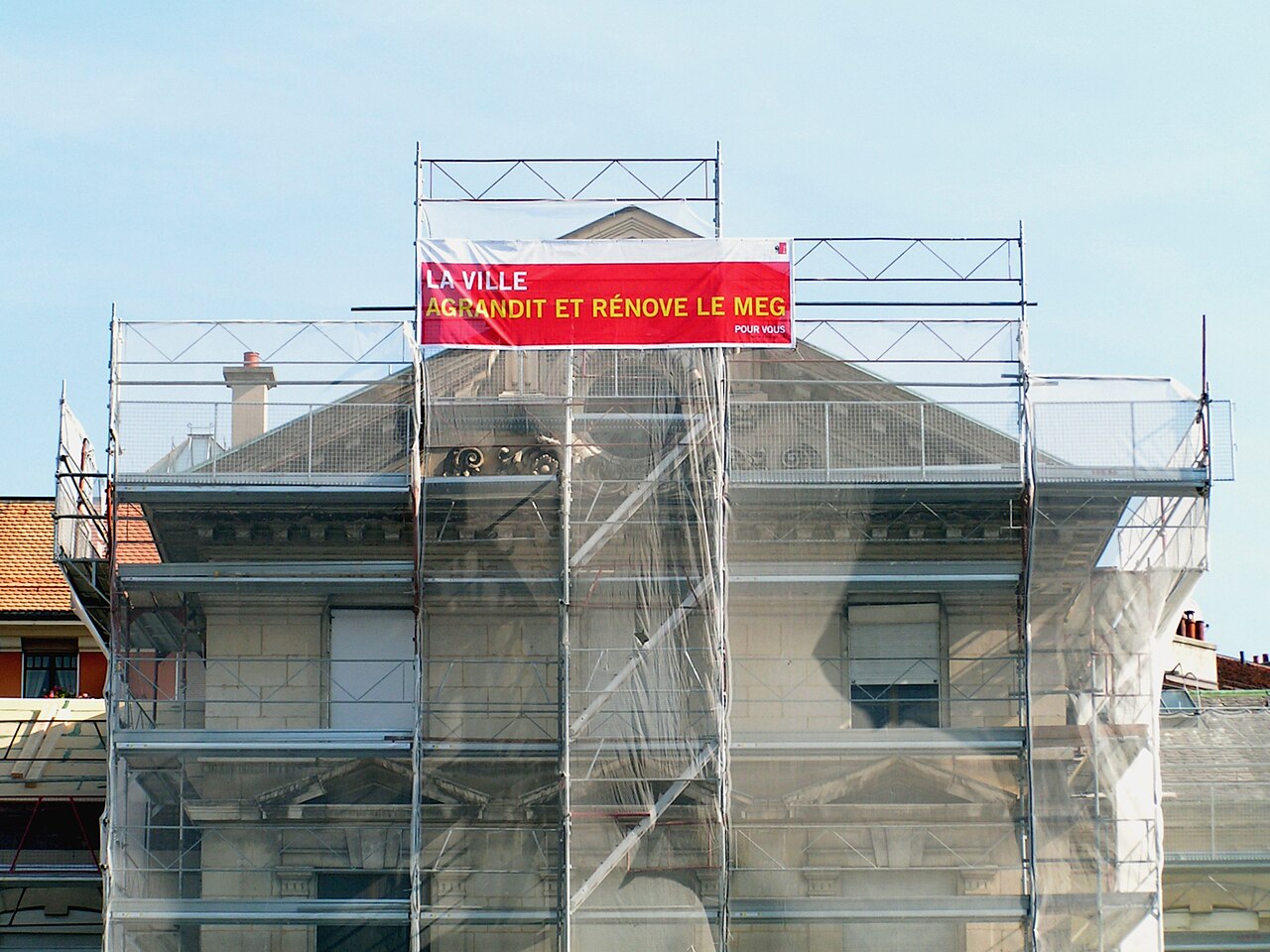
In Geneva, the Ethnographic Museum of Geneva reopened in a new building in 2014 and has since become one of the more thoughtful institutions on the continent when it comes to explaining where objects came from and how. Its Asian holdings are smaller than Leiden's, but the curatorial framing is more current.
Poland: the surprise of the list
Poland is where most people's mental map of Asian art in Europe fails, and it should not.
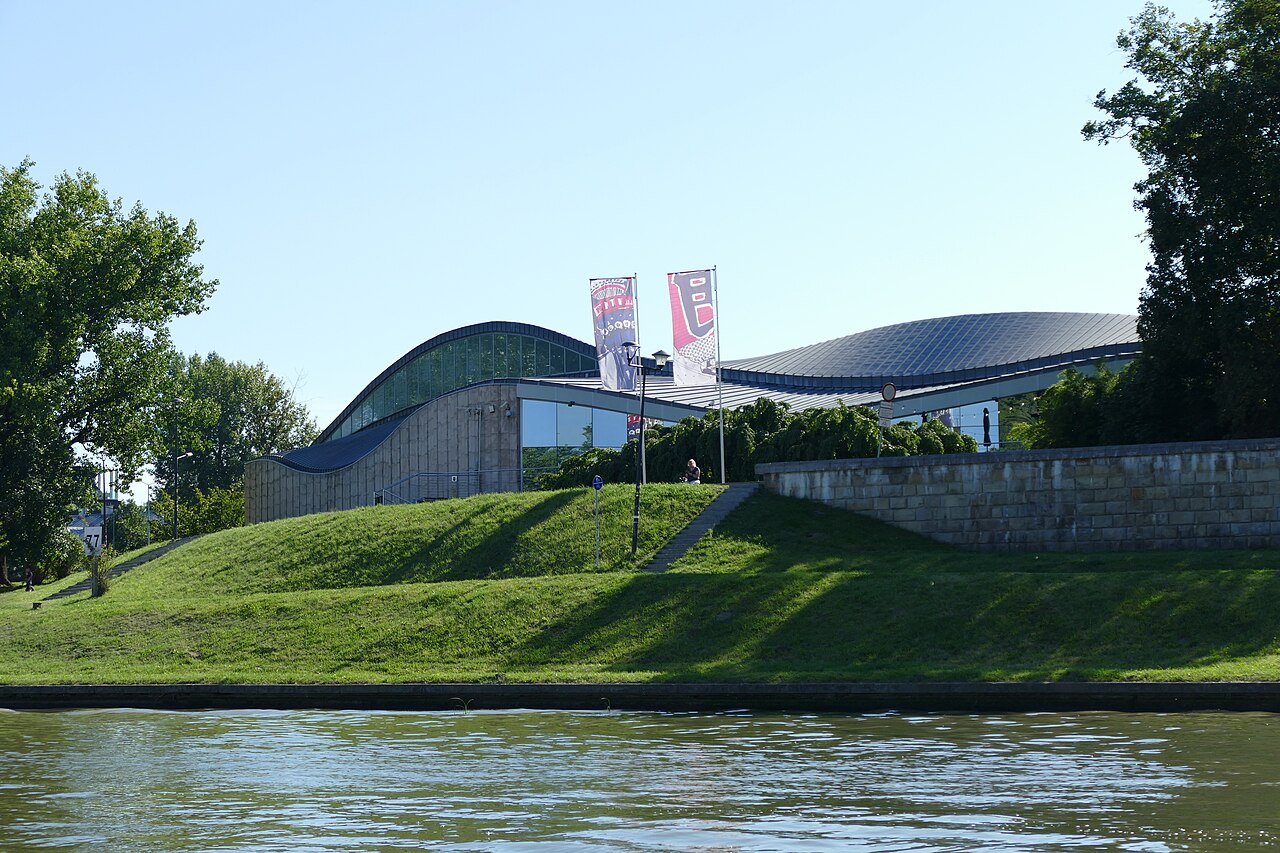
The Manggha Museum of Japanese Art and Technology in Krakow opened in 1994 and exists because of two people: Feliks Jasienski, a collector nicknamed "Manggha" who assembled thousands of Japanese prints and objects around 1900, and Andrzej Wajda, the film director, who put his Kyoto Prize money towards a building for them. The Arata Isozaki architecture alone is worth seeing.
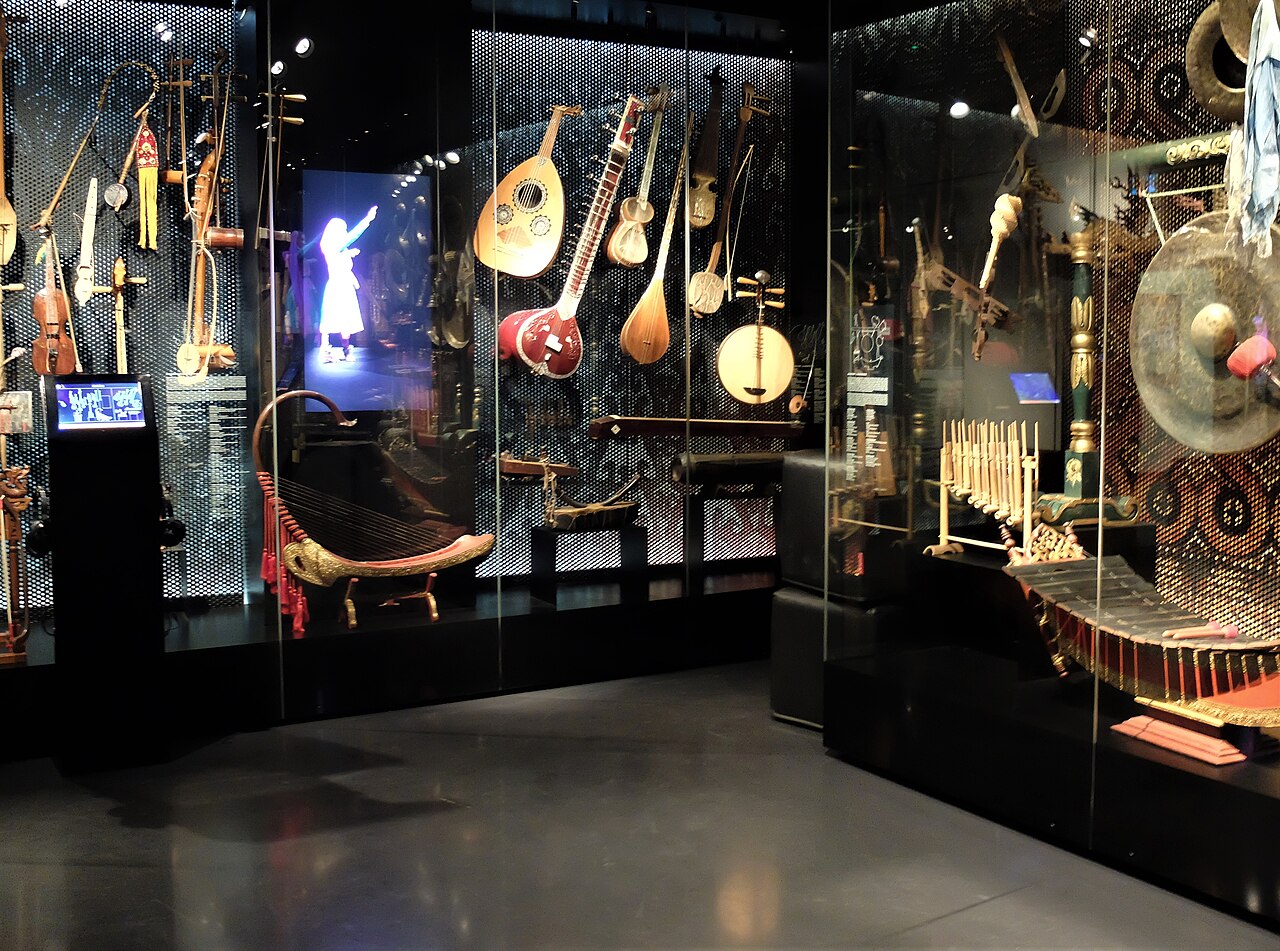
In Warsaw, the Andrzej Wawrzyniak Asia and Pacific Museum grew out of the private collection of a Polish diplomat and sailor who spent years in Indonesia. Its Indonesian material, especially the kris blades and wayang puppets, is among the best in Europe.
Greece, Latvia and Russia
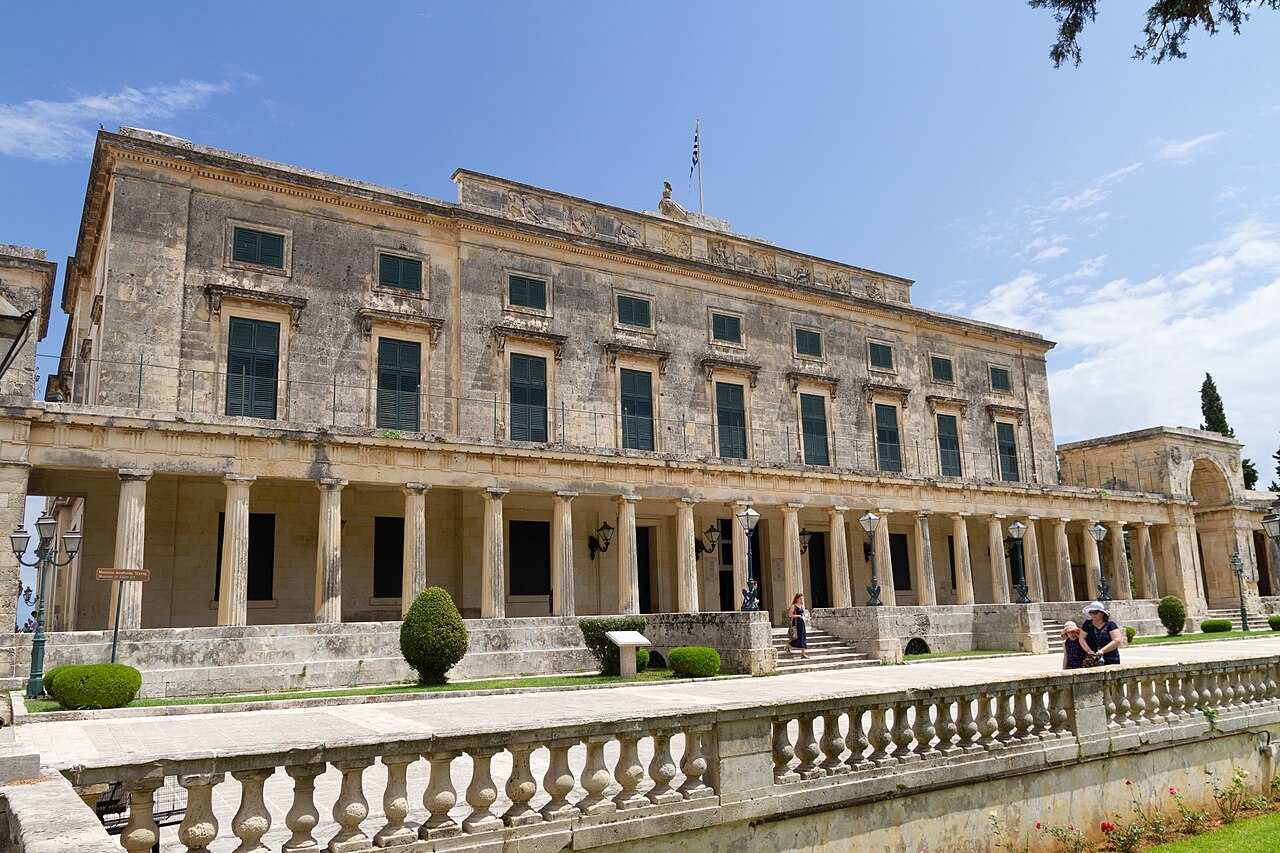
The Corfu Museum of Asian Art is the only museum in Greece devoted entirely to Asian art, and its location is unlikely enough to be memorable: the Palace of St Michael and St George, built for a British high commissioner. It began in 1927 with roughly 10,000 objects donated by the diplomat Gregorios Manos, and has grown into a collection covering China, Japan, India and Central Asia.
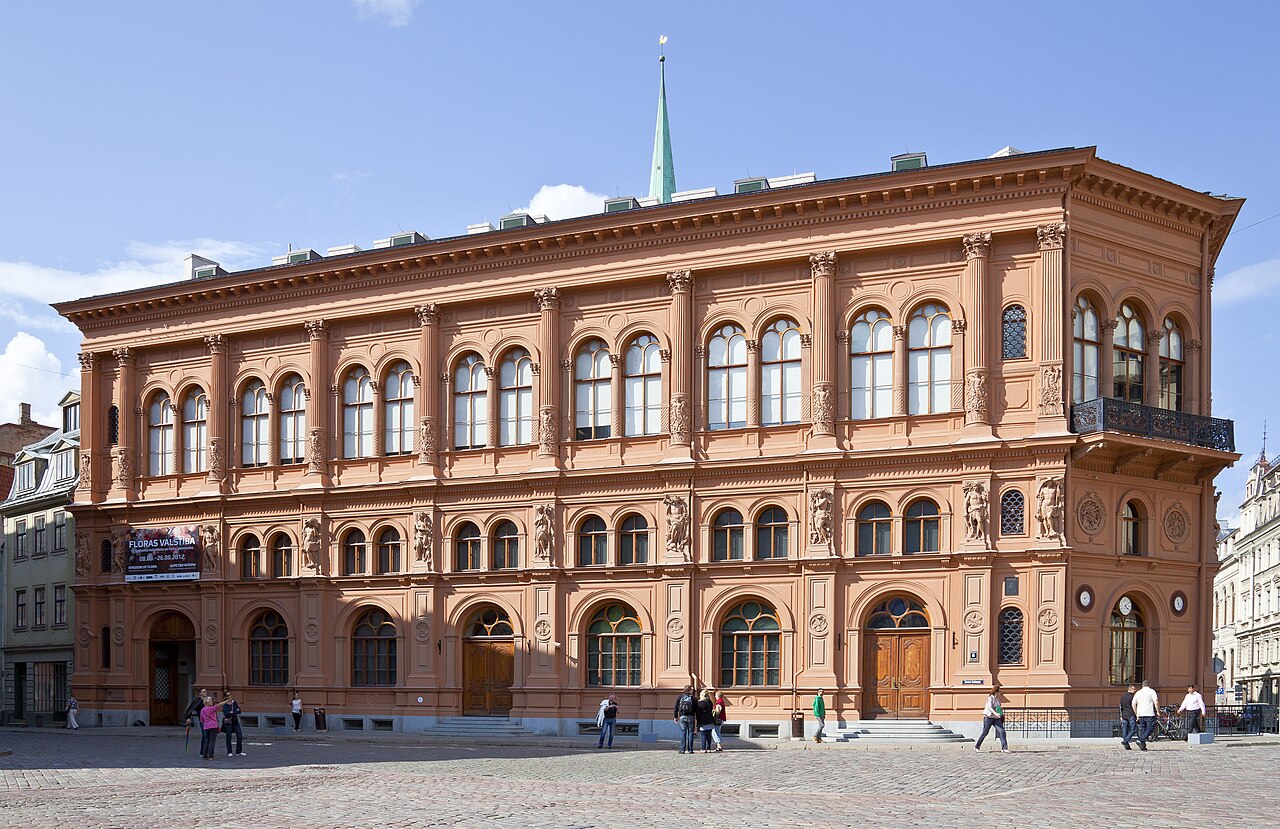
The Art Museum Riga Bourse occupies a restored nineteenth-century stock exchange on Riga's Dome Square and holds Latvia's foreign art collection, including Chinese, Japanese and Indian works. It is a general foreign-art museum rather than a specialist one, so treat the Asian rooms as one strong section rather than the whole visit.
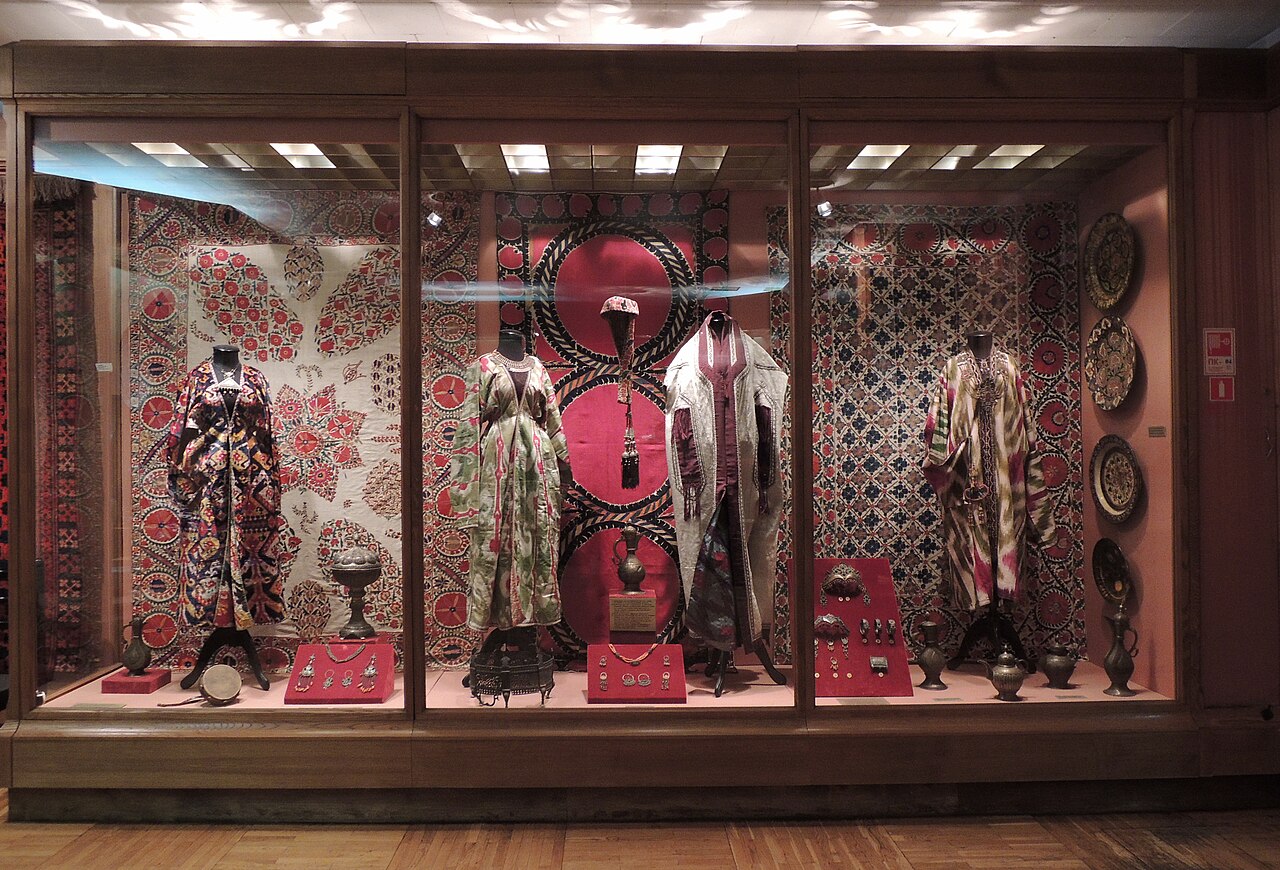
The State Museum of Oriental Art in Moscow, founded in 1918, holds the largest Asian collection in the region, with particular depth in Central Asian, Caucasian and Buddhist material that reflects the geography of the former Russian and Soviet states.
How these collections were actually assembled
Almost every museum on this list traces back to one of three sources, and knowing which one changes how you read the labels.
Some were built by individual collectors with a specific obsession — Guimet, Chiossone, Jasienski, Manos, Wawrzyniak. These collections are idiosyncratic and often unusually deep in one narrow area, because one person kept buying the thing they loved.
Others came through trade. The Dutch collections exist because the Dutch East India Company had access to Japan and Indonesia when almost nobody else in Europe did. Export porcelain at Princessehof was made to order for European buyers, which is a different kind of object from something made for a Japanese household.
A third group came through colonial administration and scientific expeditions, and this is the material now under the most scrutiny. Several museums here, MEG and Volkenkunde among them, have reworked their permanent displays over the past decade to state provenance openly rather than quietly. That shift is the most significant change in this field in twenty years.
Building a realistic route
Nobody sees all twelve. Two combinations make sense geographically.
A western loop: Paris, then Leiden and Leeuwarden, then Leipzig. Four museums, all reachable by train, and it covers the encyclopaedic collection, the ethnographic one, the ceramics specialist and the applied-arts angle.
A southern and central loop: Genoa and Turin are two hours apart, Krakow and Warsaw a few hours more. Corfu works better as its own trip.
One practical note: several of these museums rotate their Asian material rather than displaying it permanently, particularly the works on paper, which cannot stay lit for long. Prints and textiles are the most likely things to be in storage when you arrive. Check the current display before you commit to a long journey for one specific object.
FAQ
Which is the largest Asian art museum in Europe?
The Guimet Museum of Asian Art in Paris, both by the size of its collection and by the range of regions it covers. It holds major Khmer, Chinese, Japanese, Indian and Central Asian holdings in one building, which no other European museum matches.
Are there Asian art museums in Europe outside the big capitals?
Yes, and several are among the best. Leeuwarden, Genoa, Leipzig, Krakow, Corfu and Riga all hold significant Asian collections. Corfu is the only museum in Greece devoted entirely to Asian art, and Princessehof in Leeuwarden is the strongest place in Europe for Asian export ceramics.
What is ASEMUS?
ASEMUS, the Asia-Europe Museum Network, was a cooperation network linking museums with Asian collections across both continents. Every museum named in this guide was a member. The network's activity wound down around 2020, and this site preserves the museum profiles it had built up.
Do these museums display their whole Asian collection at once?
No. Most show a fraction of what they hold, and works on paper such as prints, paintings and textiles are rotated because prolonged light exposure damages them. If you are travelling to see one specific object, check with the museum first.
Museums mentioned in this guide
Guimet Museum of Asian Art
National Museum of Ethnology
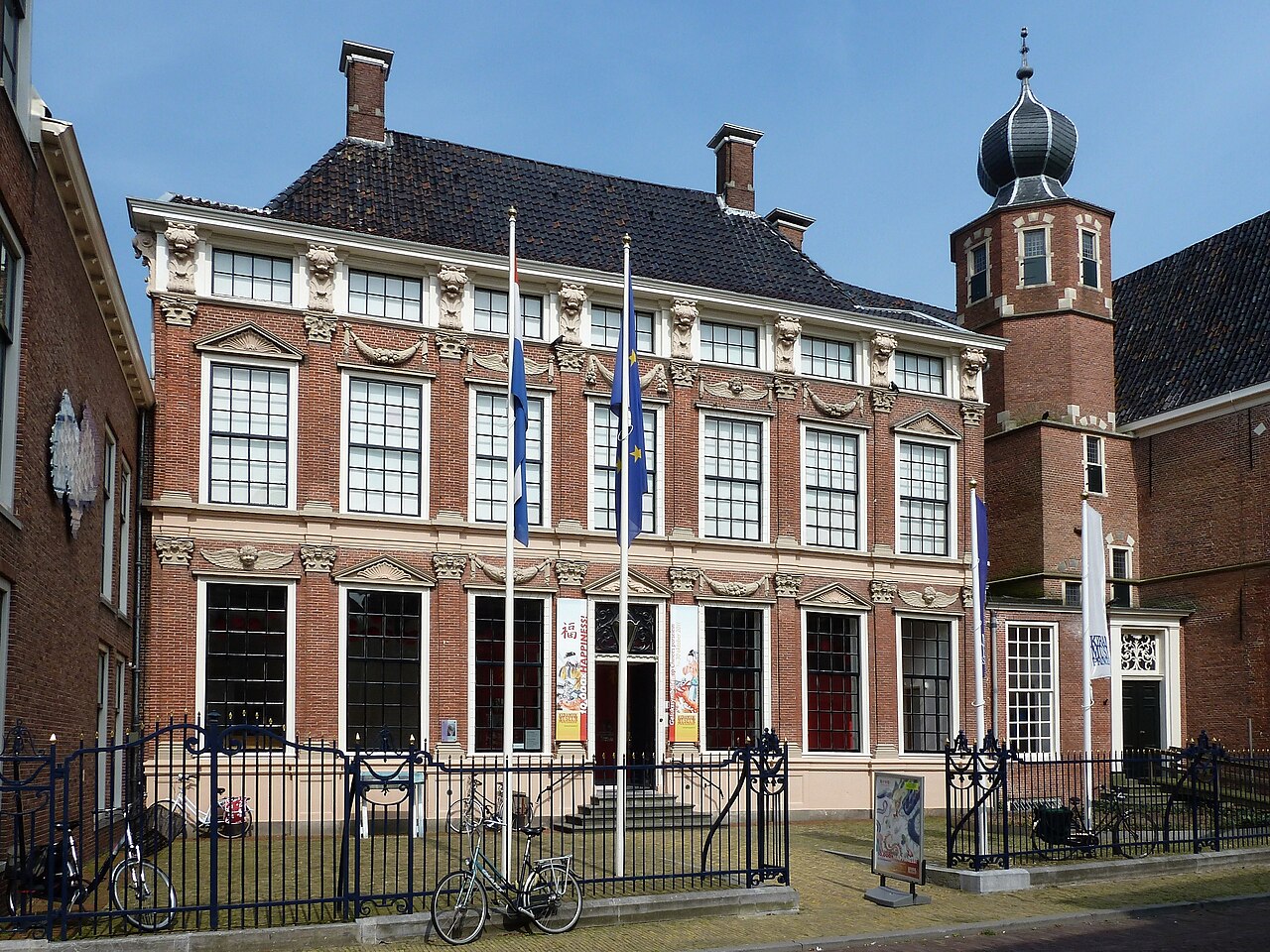
Ceramic Museum Princessehof
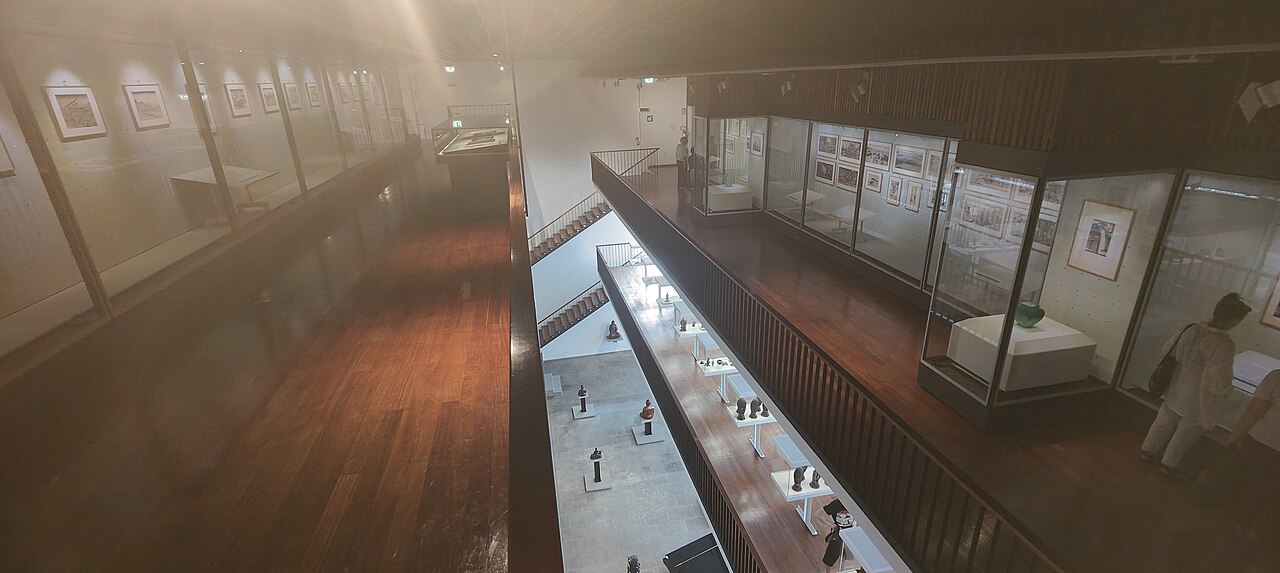
Edoardo Chiossone Museum of Oriental Art
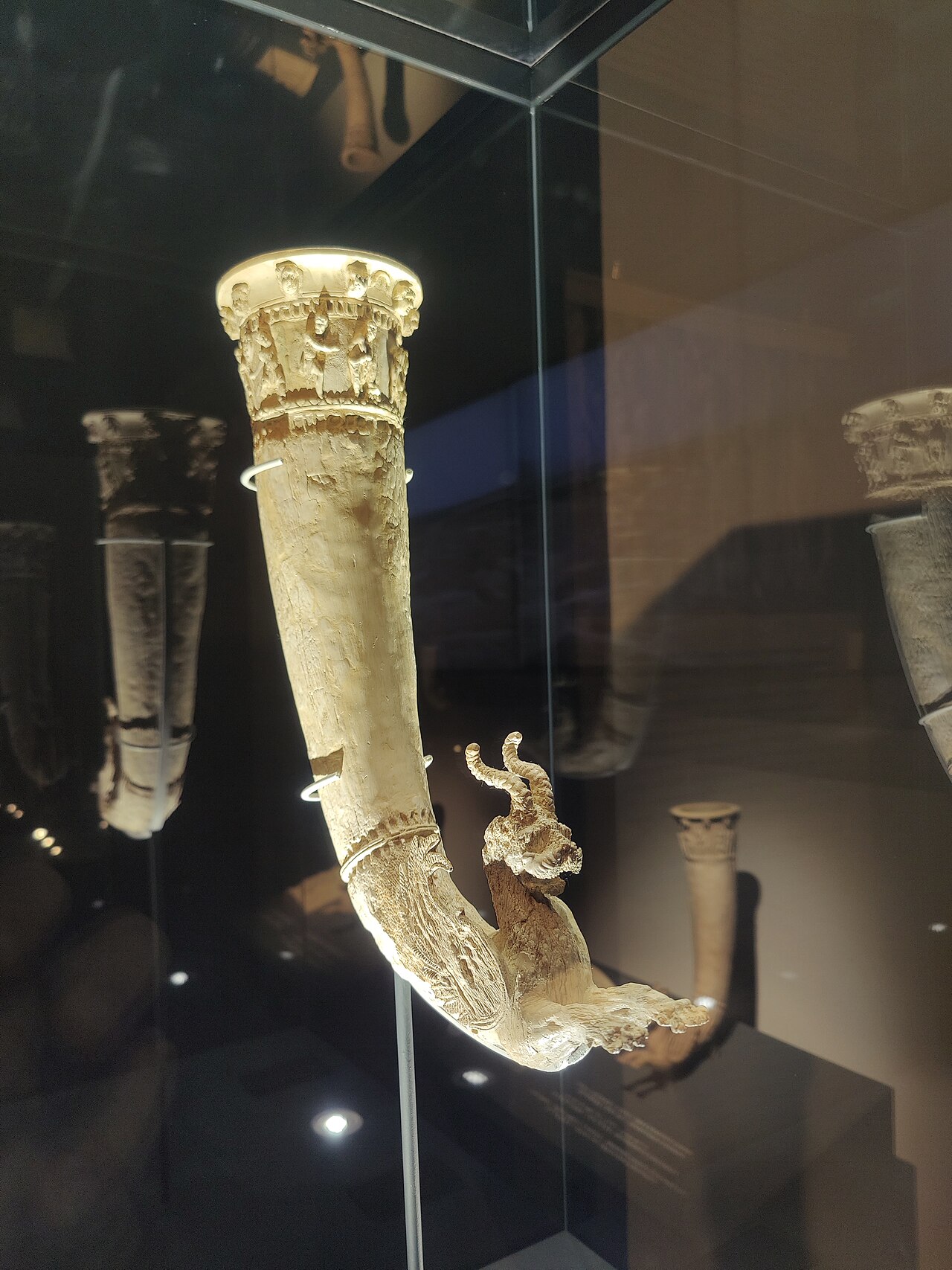
Museum of Oriental Art
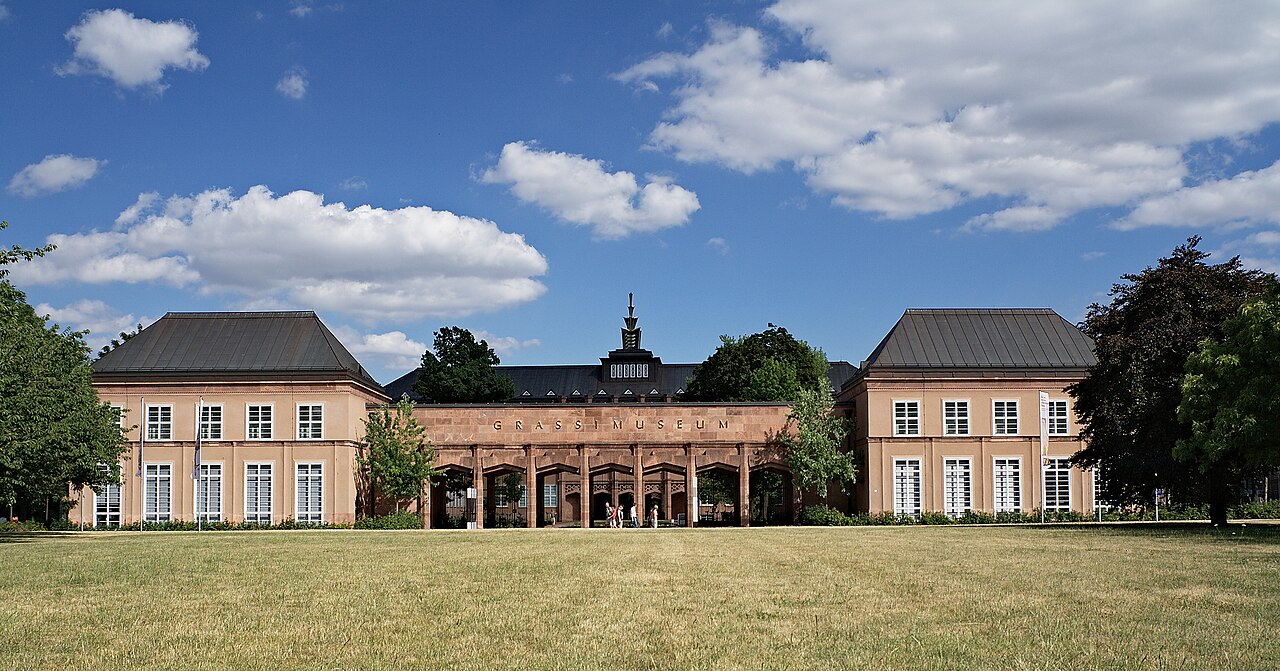
GRASSI Museum of Applied Arts
Ethnographic Museum of Geneva (MEG)
Manggha Museum of Japanese Art and Technology
The Andrzej Wawrzyniak Asia and Pacific Museum in Warsaw
Corfu Museum of Asian Art
Art Museum RIGA BOURSE