Member museum
Manggha Museum of Japanese Art and Technology, Poland
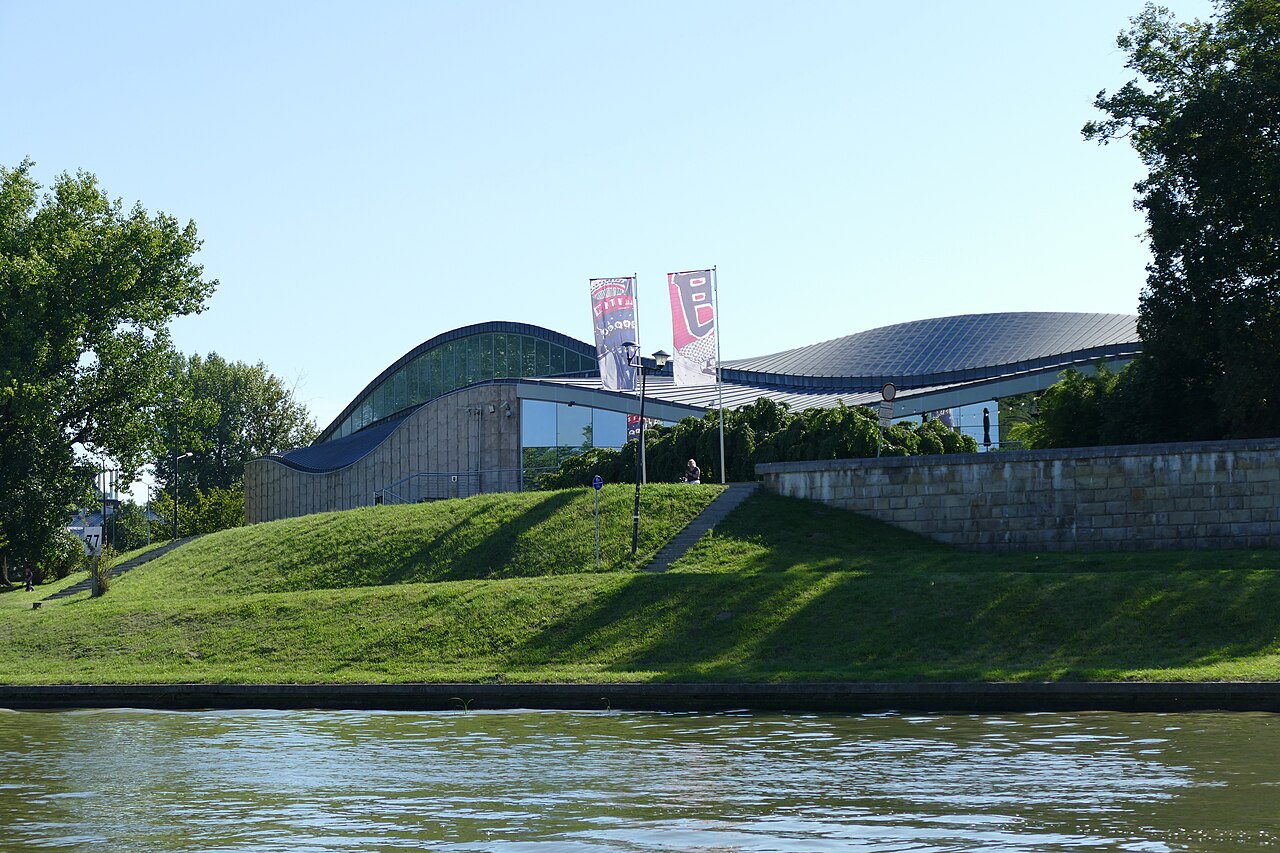
Founded on the shared vision of film director Andrzej Wajda and collector Feliks Jasieński, the Manggha Museum in Krakow presents Japanese art alongside the nation's technological achievements, functioning both as a museum and an active cultural centre (exhibitions, theatre, film, workshops, lectures, conferences).
Jasieński, an eccentric art lover, amassed a huge Japanese art collection (woodblock prints, costumes, textiles, weapons) from the late 19th century, whose influence on Krakow's painters became known as Japonism. He donated the collection to Krakow's National Museum in the 1920s, where it sat largely in storage. A wartime 1944 exhibition of part of the collection deeply impressed the 19-year-old Wajda; decades later, on receiving Japan's Kyoto Prize in 1987, Wajda and his wife Krystyna Zachwatowicz donated the prize money toward building a home for the collection.
Krakow authorities provided a riverside site opposite Wawel Royal Castle; the Japanese Embassy and Japanese donors (including the East Japan Railway Workers' Union) raised further funds. Designed by celebrated Japanese architect Arata Isozaki as a gift, the centre opened 30 November 1994. It houses Jasieński's collection (part of the National Museum's Far East Art Collection) plus temporary exhibitions pairing historic Japanese art with contemporary Japanese technology.
Other museums in the network
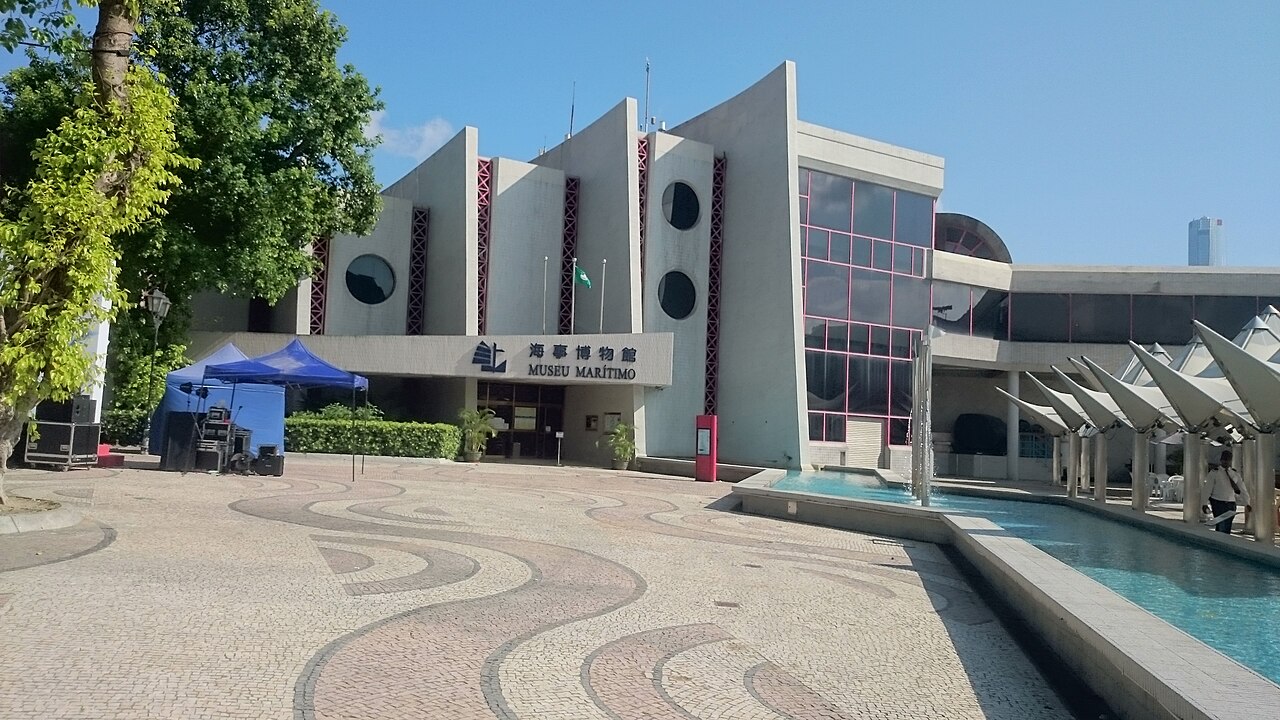
Maritime Museum
Opened to the public in 1987 beside the Temple of A-Ma, the museum quickly outgrew its original…
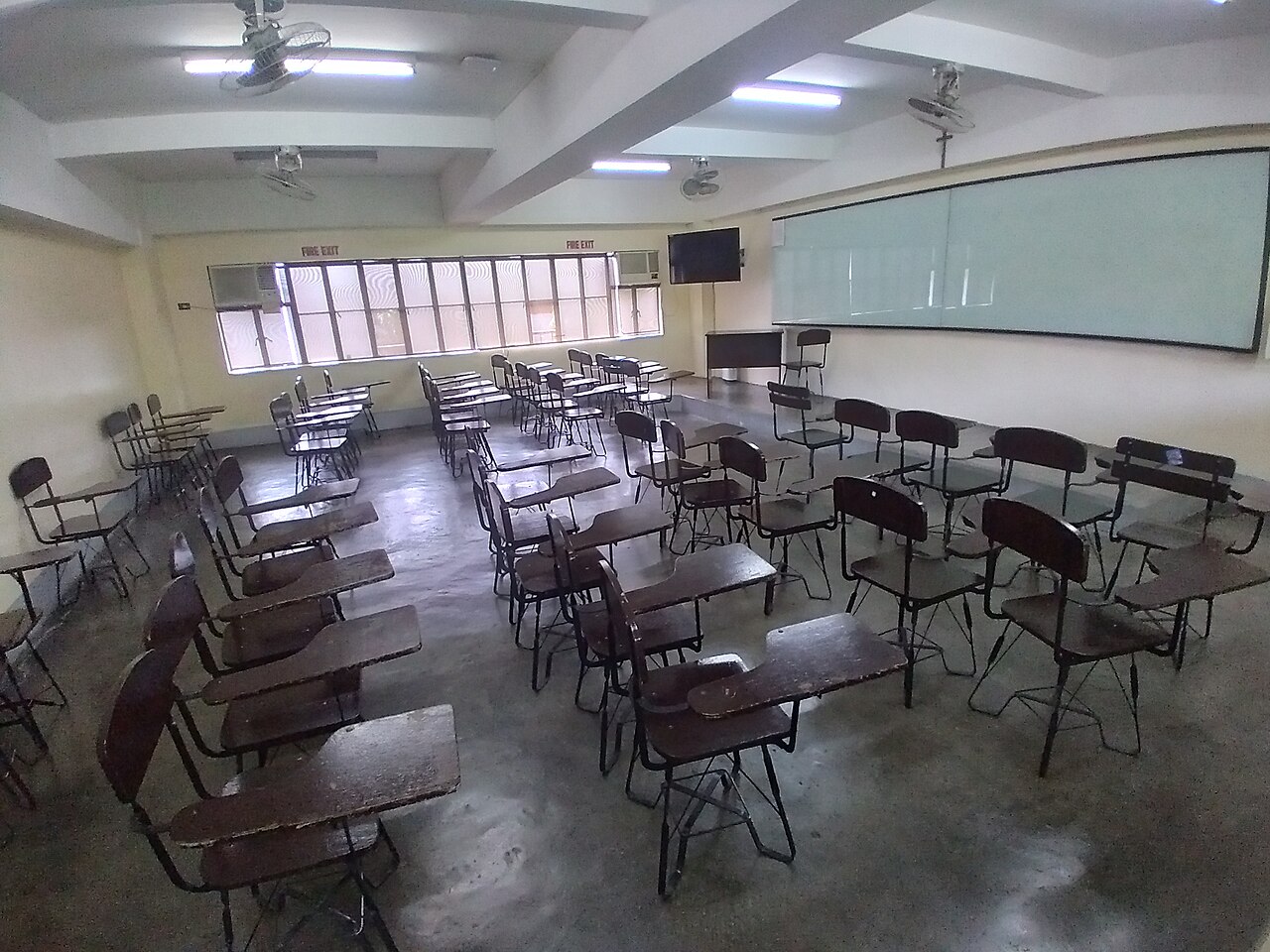
Museo De La Salle
A lifestyle and decorative-arts museum focused on 19th-century Philippine domestic life, built …
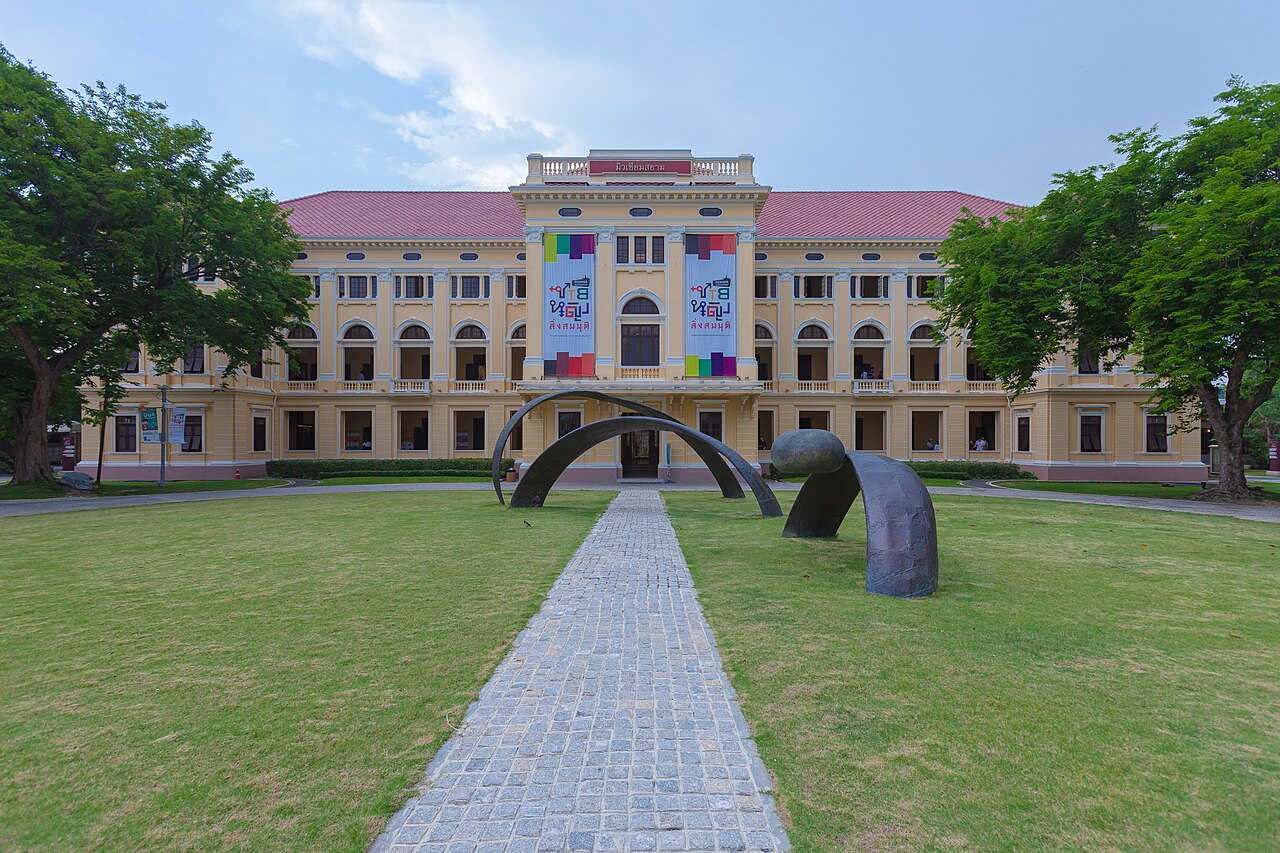
Museum Siam
A "discovery museum" for young people, families and foreign visitors, founded in 2007 by the Th…