Member museum
Edoardo Chiossone Museum of Oriental Art, Italy
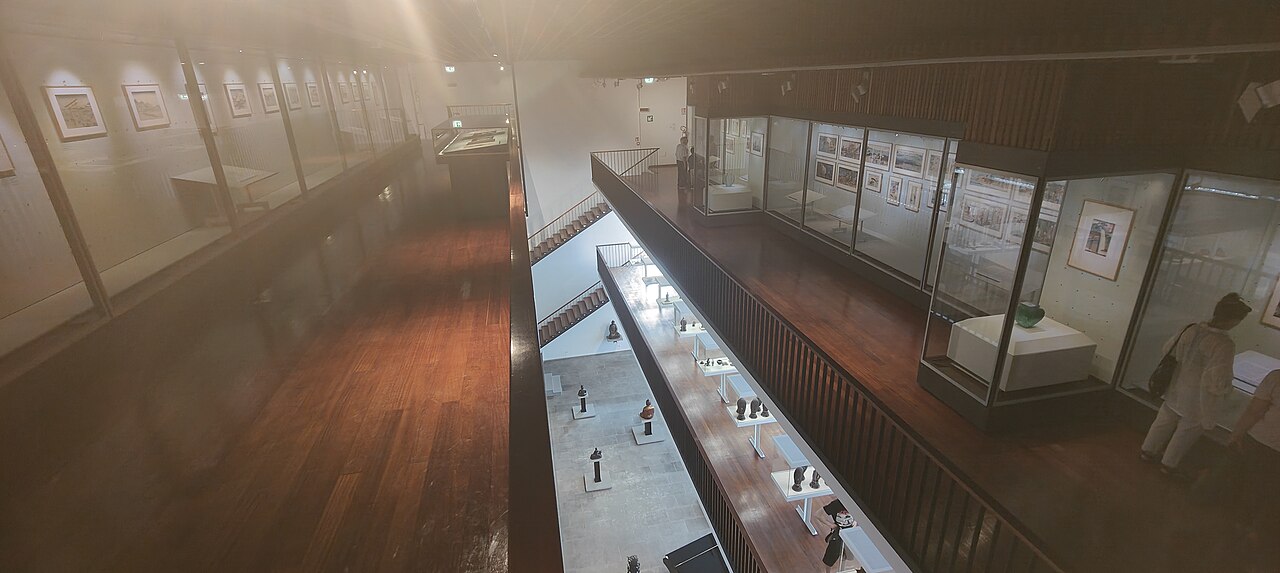
Houses Japanese and Chinese art gathered during the Meiji period by Edoardo Chiossone (Genoa 1833 - Tokyo 1898), an engraver hired by the Japanese government in 1875 to run the Imperial Printing Bureau's engraving division. Over 23 years in Japan he engraved plates for banknotes, stamps and government bonds, and became known as Emperor Meiji's portraitist.
The collection spans paintings, colour woodblock prints, illustrated books, sculpture, porcelain, enamel, lacquer, arms and armour, bronzes, theatrical masks, instruments, costumes and textiles — including works by Kanō- and Ukiyo-e-school painters Tsunenobu, Tanyū, Chōshun, Utamaro, Hiroshige and Hokusai.
After Chiossone's death the collection went to Genoa's Accademia Ligustica di Belle Arti (inaugurated 1905). Per Chiossone's will, Genoa built a dedicated museum after WWII, designed by rationalist architect Mario Labò and inaugurated in 1971, set in an early-19th-century garden near Piazza Corvetto with views over Genoa's old town and harbour.
Permanent galleries hold Japanese Buddhist sculpture, pre-historical and historical antiquities, arms and armour, wooden sculpture, theatrical masks, and decorative arts; two further galleries rotate fragile prints, paintings, textiles and lacquerware.
Collection size: about 15,000 pieces.
Other museums in the network
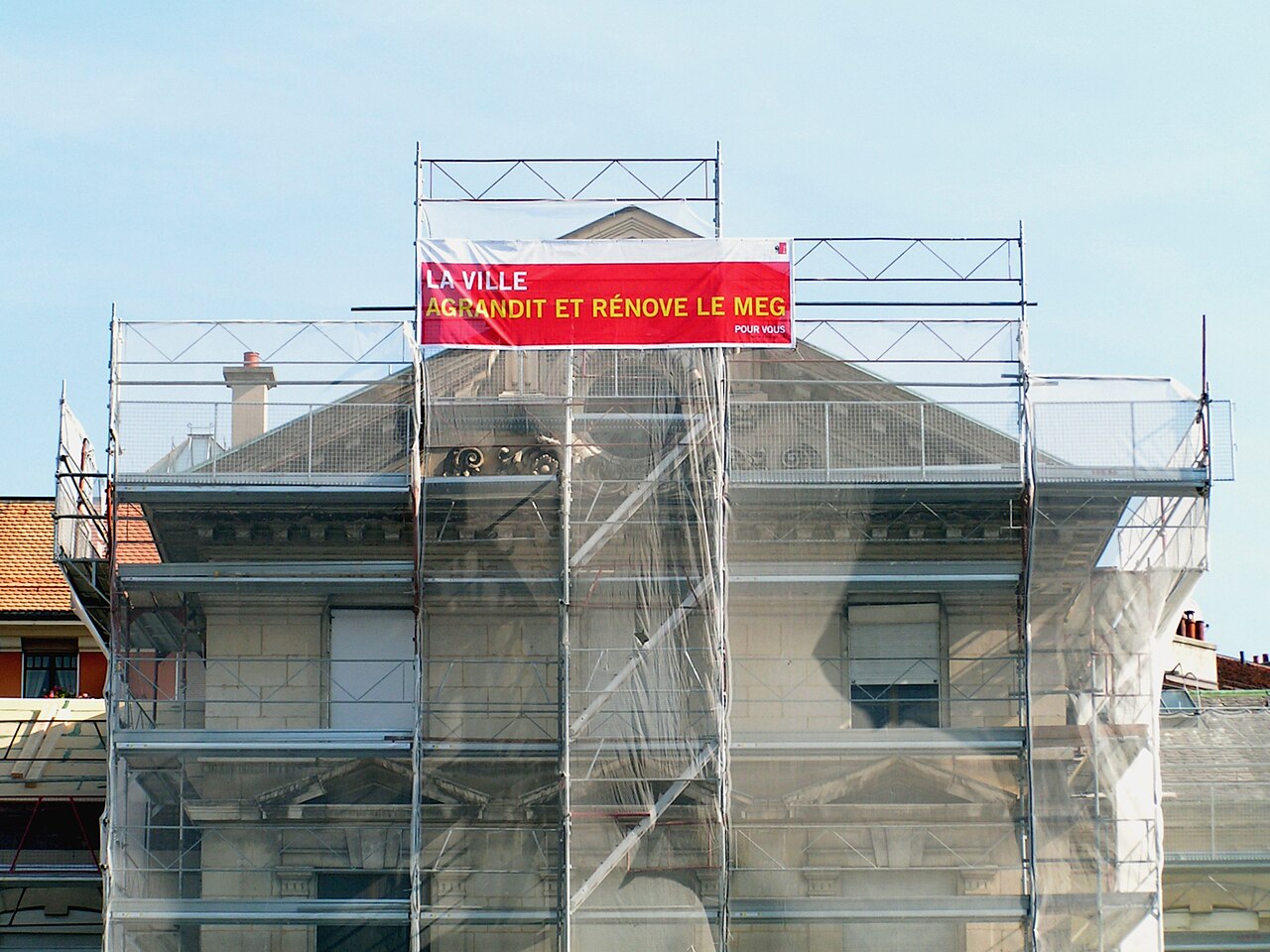
Ethnographic Museum of Geneva (MEG)
Founded in 1901 by anthropologist Eugène Pittard, MEG preserves some 80,000 items from five con…
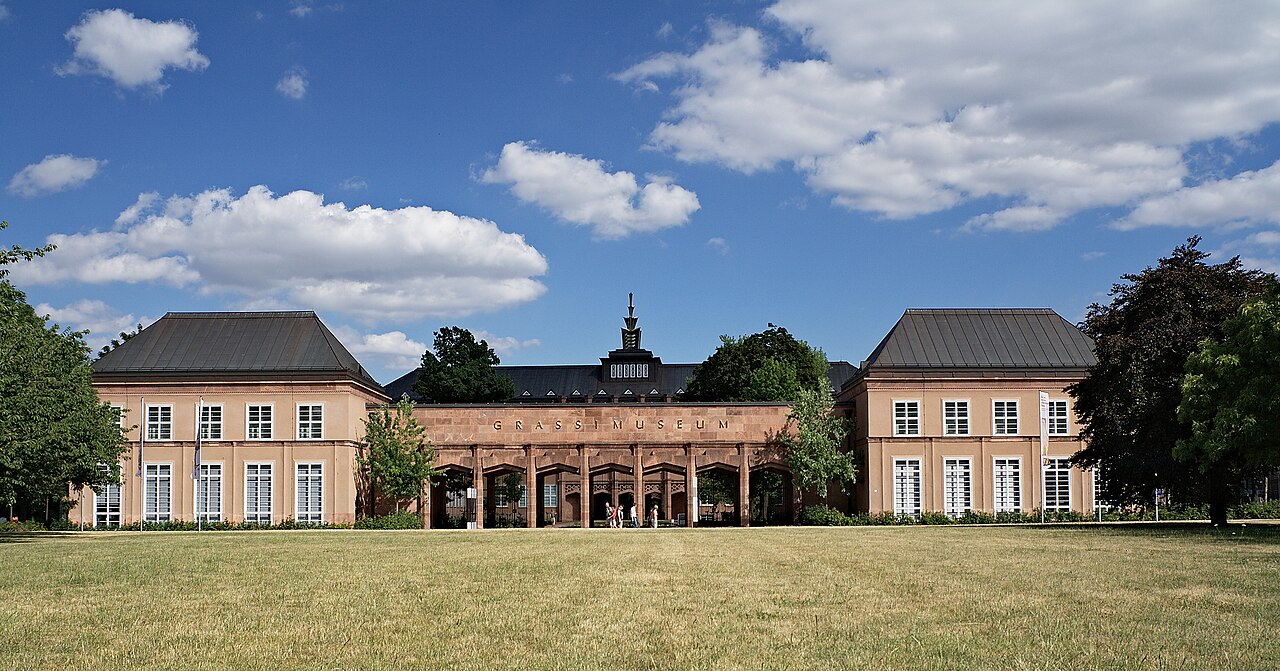
GRASSI Museum of Applied Arts
The Grassi complex, built in Art Deco style, houses three museums: the Museum of Applied Arts, …
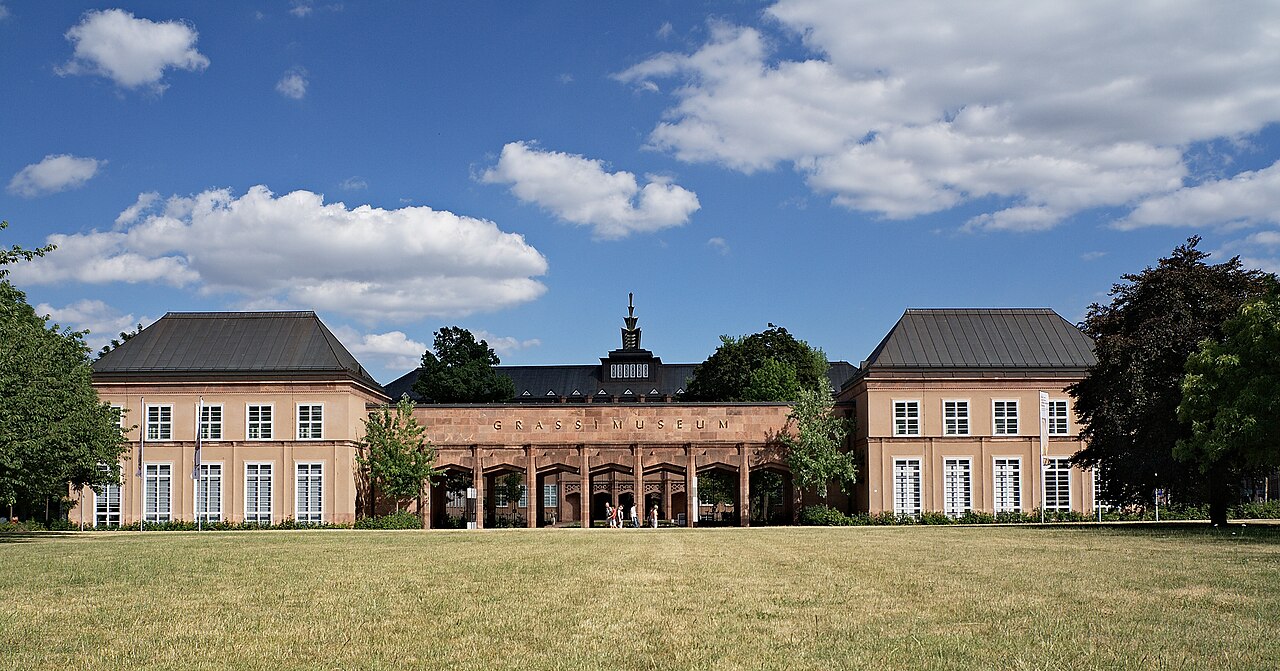
GRASSI Museum of Ethnology
The GRASSI Museum für Völkerkunde zu Leipzig holds ethnographic collections from across the wor…