Member museum
Vietnam National Museum of History
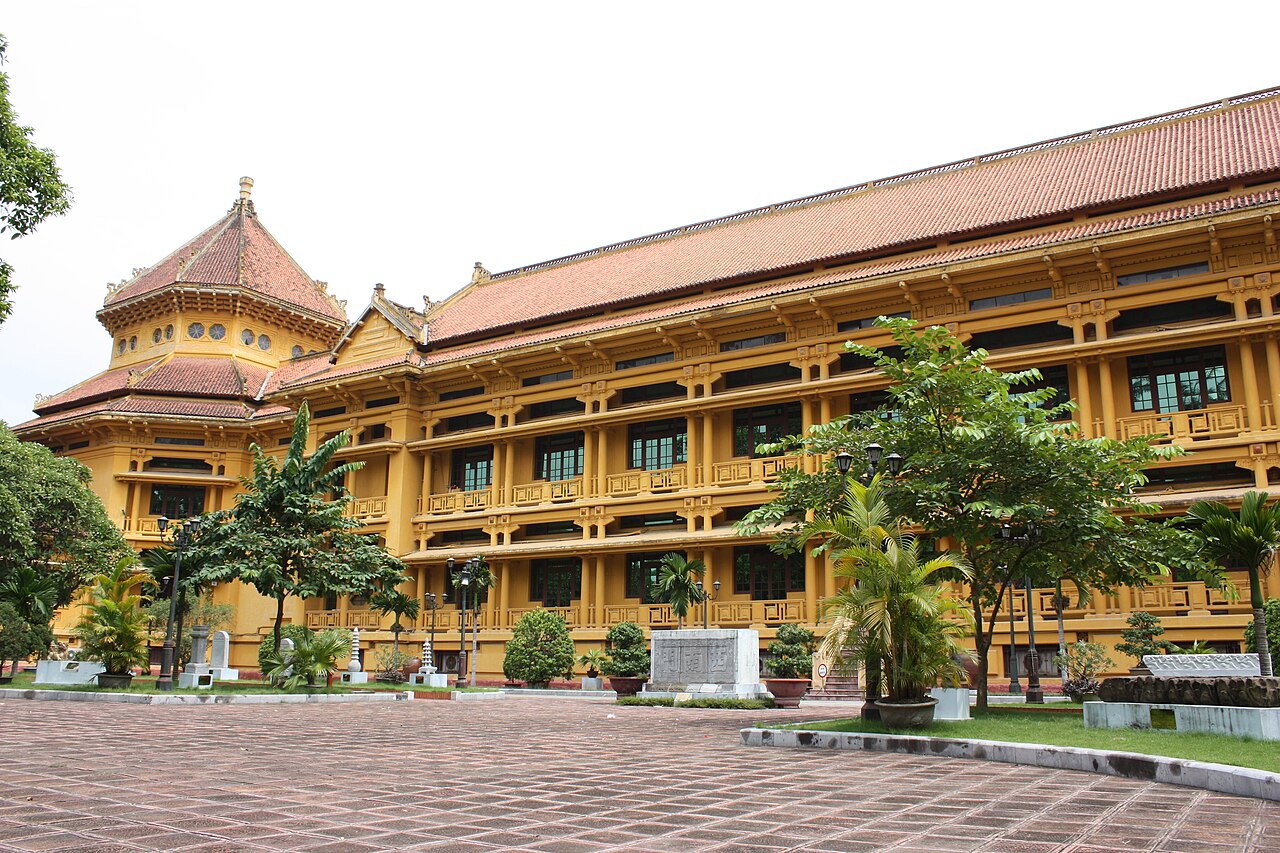
Formed in 2011 by merging the former National Museum of Vietnamese History and the National Museum of the Vietnamese Revolution. Holds over 200,000 objects spanning prehistory to the present, including 18 recognized national treasures, across 3,700 m² in two adjoining historic buildings in Hanoi.
Building A (1 Trang Tien Street) began as the Louis Finot Museum, built 1926 and inaugurated 1932, blending Eastern and Western architectural styles; originally a showcase of Asian arts broadly, it was taken over by the Vietnamese government in 1958 and reopened that September as the National Museum of Vietnamese History, refocused on Vietnam's own cultural story from prehistory to modern times.
Building B (216 Tran Quang Khai Street), built 1917 as the Indochina Department of Trade headquarters, became the Museum of the Vietnamese Revolution under Ho Chi Minh's government after 1954, opening to the public 6 January 1959, covering Vietnamese history from the mid-19th century onward.
Permanent collections trace Vietnam from prehistoric times (c. 400,000-4,000 BP) through nation-building, successive dynasties (Ngo-Dinh-Early Le, Ly-Tran, Ho, Le-Mac-Restored Le, Tay Son, Nguyen), Champa stone sculpture, Oc Eo-Phu Nam culture, the independence struggles (1858-1945), the resistance wars (1945-1975), and modern Vietnam (1976-present), plus gifts to Ho Chi Minh and the Communist Party, and an outdoor collection.
Other museums in the network
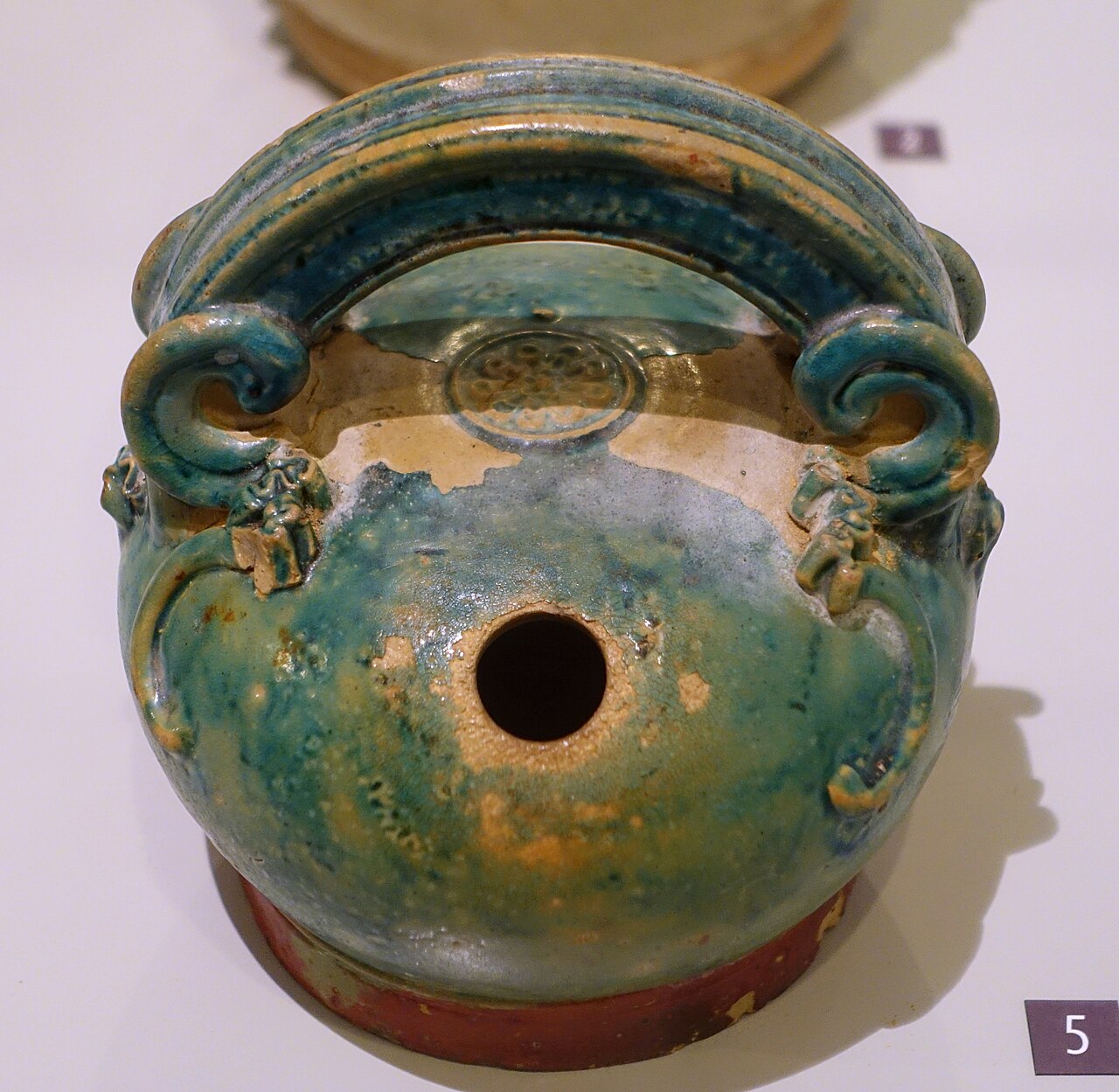
Vietnamese Women's Museum
Founded in 1987 by the Socialist Republic of Viet Nam within the Viet Nam Women's Union, the mu…
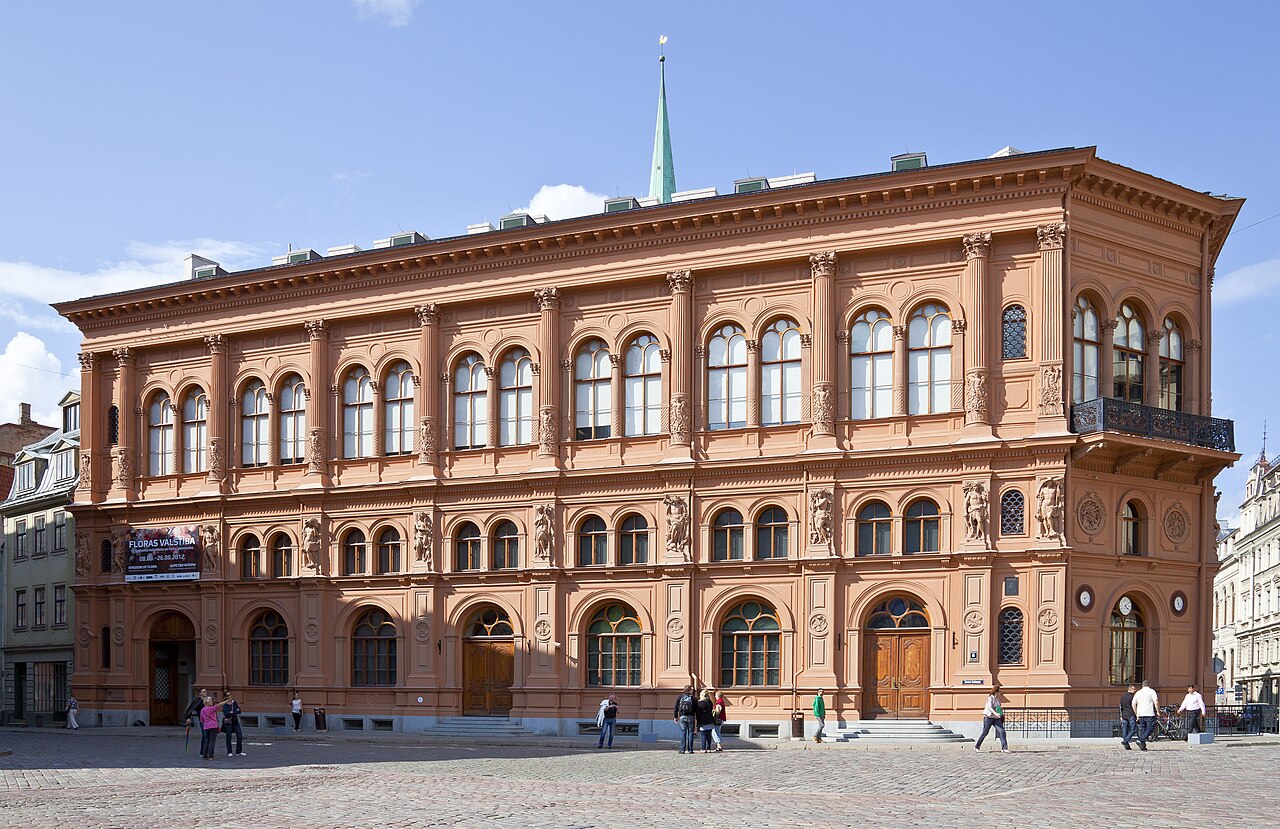
Art Museum RIGA BOURSE
The Art Museum RIGA BOURSE is an architectural monument of national importance. It was built be…
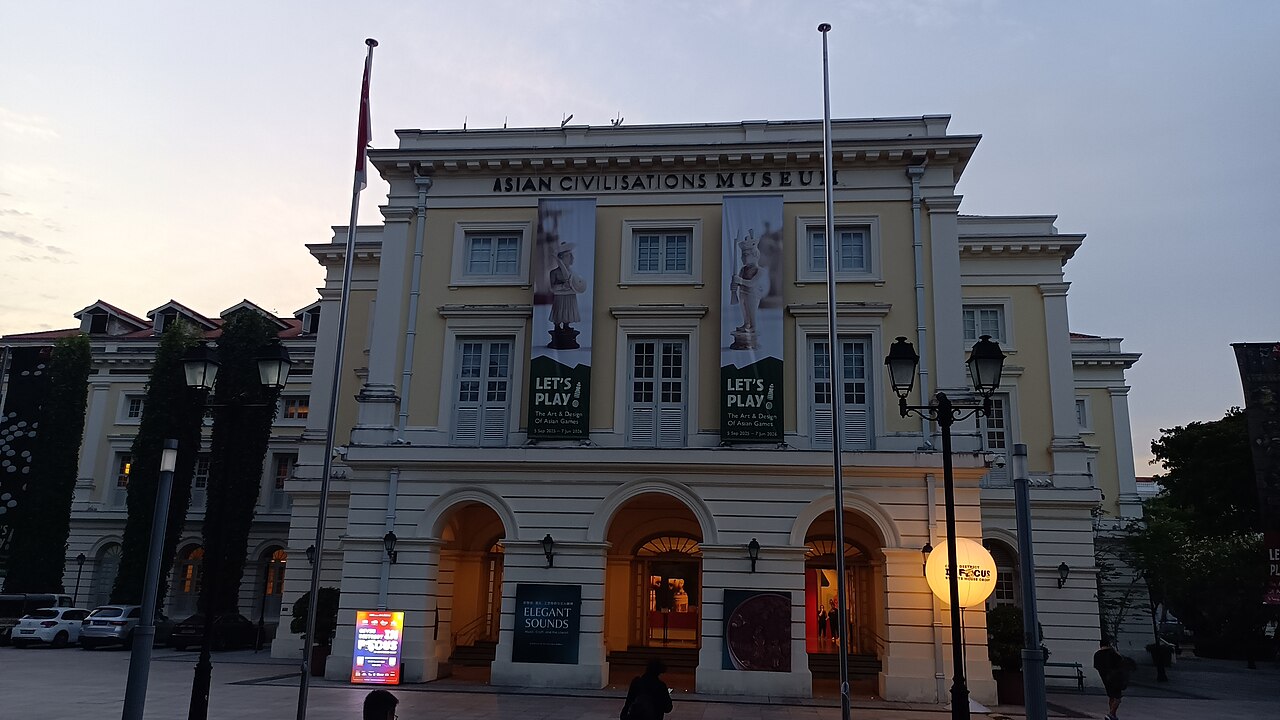
Asian Civilisations Museum
The region's only museum devoted to the civilisations, arts and culture of Asia, spanning colle…