Member museum
National Museum of Indonesia
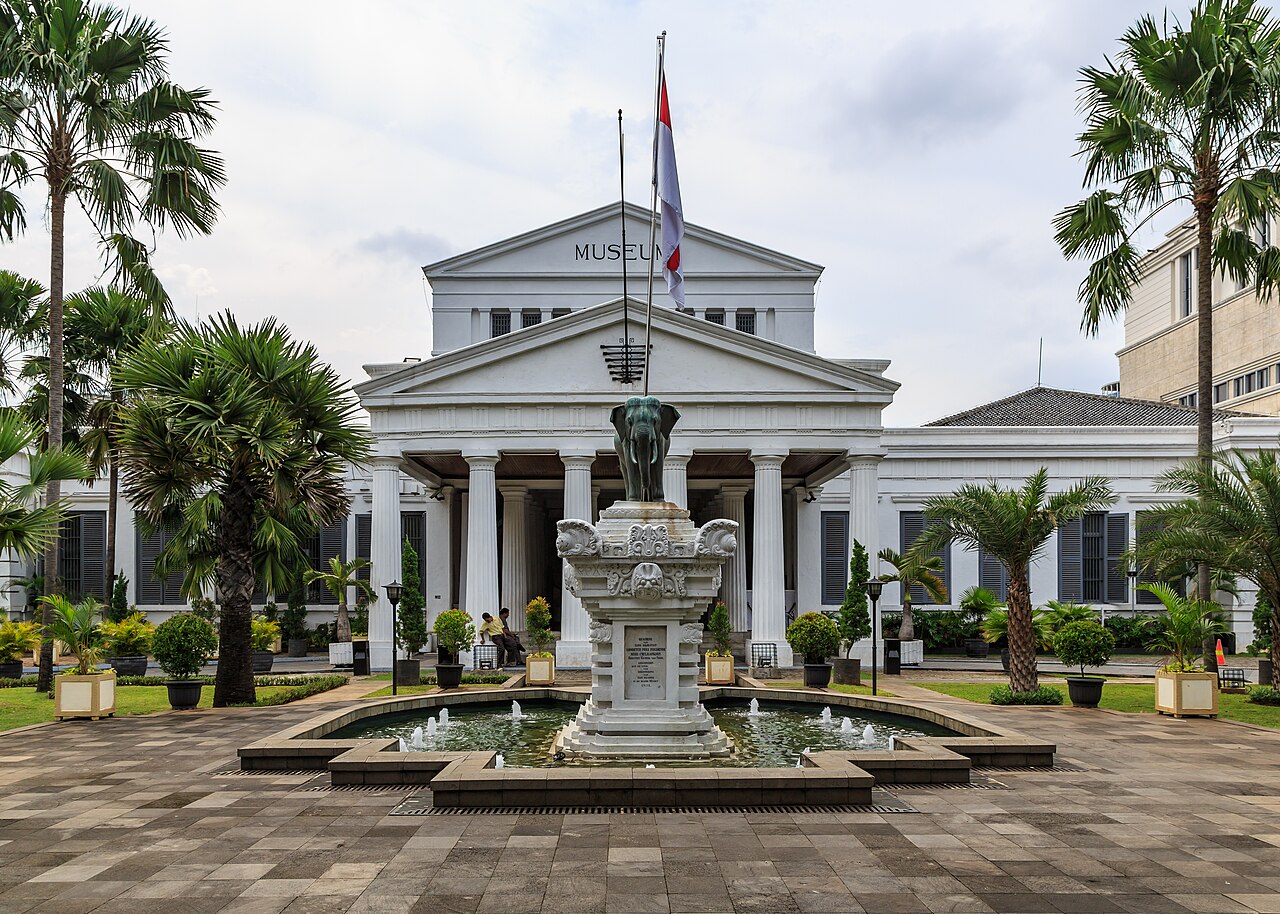
Traces to the Batavian Society for the Arts and Sciences, a private learned society founded 24 April 1778 in Batavia (Jakarta), inspired by the Dutch Society of Sciences in Haarlem (1752). Founder J.C.M. Radermacher donated his house at Kalibesar plus cultural objects and books to seed the Society's museum and library.
During the British administration of Java (1811-1816), Lieutenant Governor Sir Thomas Stamford Raffles — keenly interested in anthropology, history and archaeology — chaired the Society and ordered a new building on Jalan Majapahit. As the collection outgrew that space, the Dutch-Indies government built a new museum at Konings-plein West (now Jalan Merdeka Barat), opening to the public in 1868.
Jakartans nicknamed it the "Elephant Building" (Museum Gajah) after the bronze elephant statue in its front yard, a gift from King Chulalongkorn of Siam after his 1871 state visit. A 1931 Paris exhibition fire destroyed most of Indonesia's displayed objects; insurance proceeds funded new ceramic, bronze and treasure rooms.
In 1933 the Society was granted the title "Royal" (Koninklijke Bataviaasch Genootschap). It survived WWII and the Indonesian War of Independence undamaged. Renamed Lembaga Kebudajaan Indonesia (Institute of Indonesian Culture) in 1950, it handed the museum to the Indonesian government in 1962 as the Museum Pusat (Central Museum), which became the Museum Nasional (National Museum) by ministerial decree in 1979.
Other museums in the network
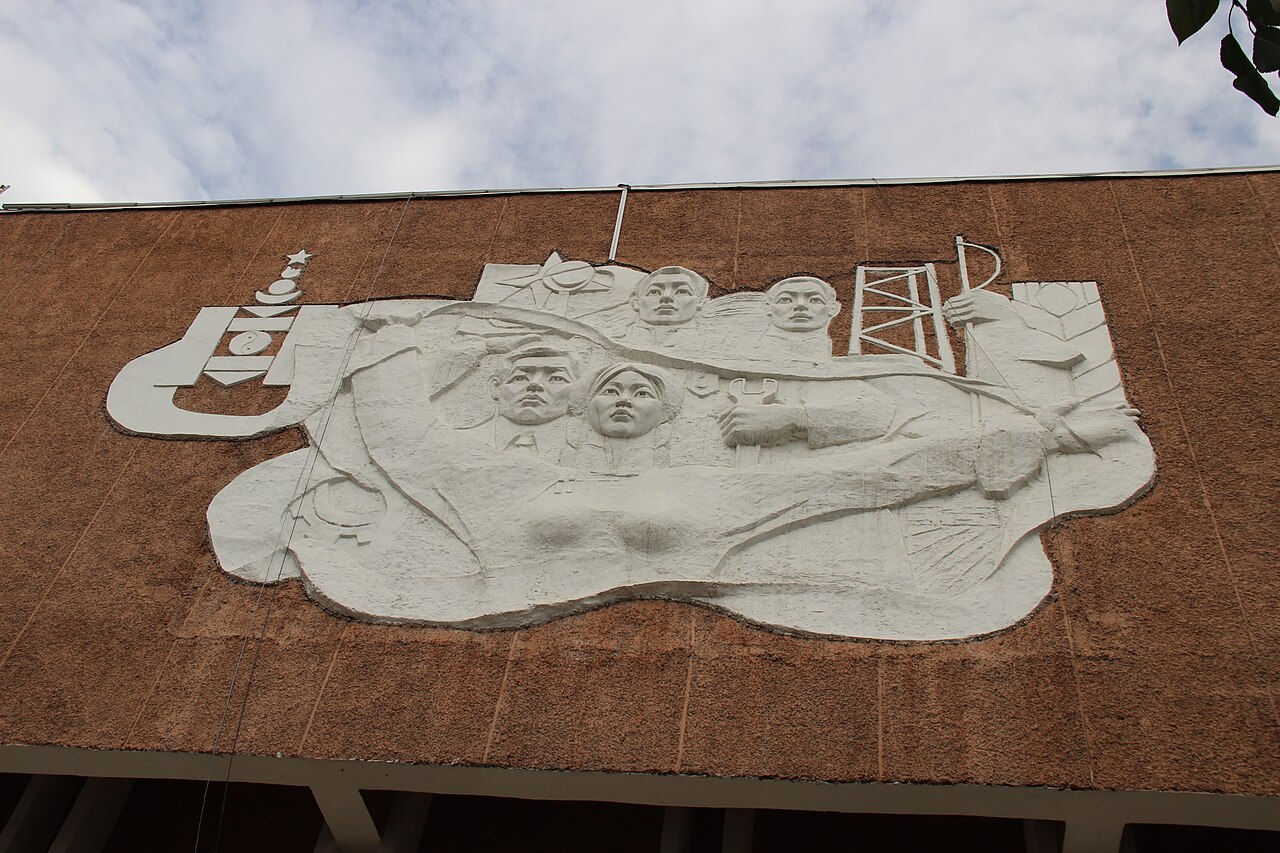
National Museum of Mongolia
Origins trace to 1924, when the first national museum collections began. The current building w…
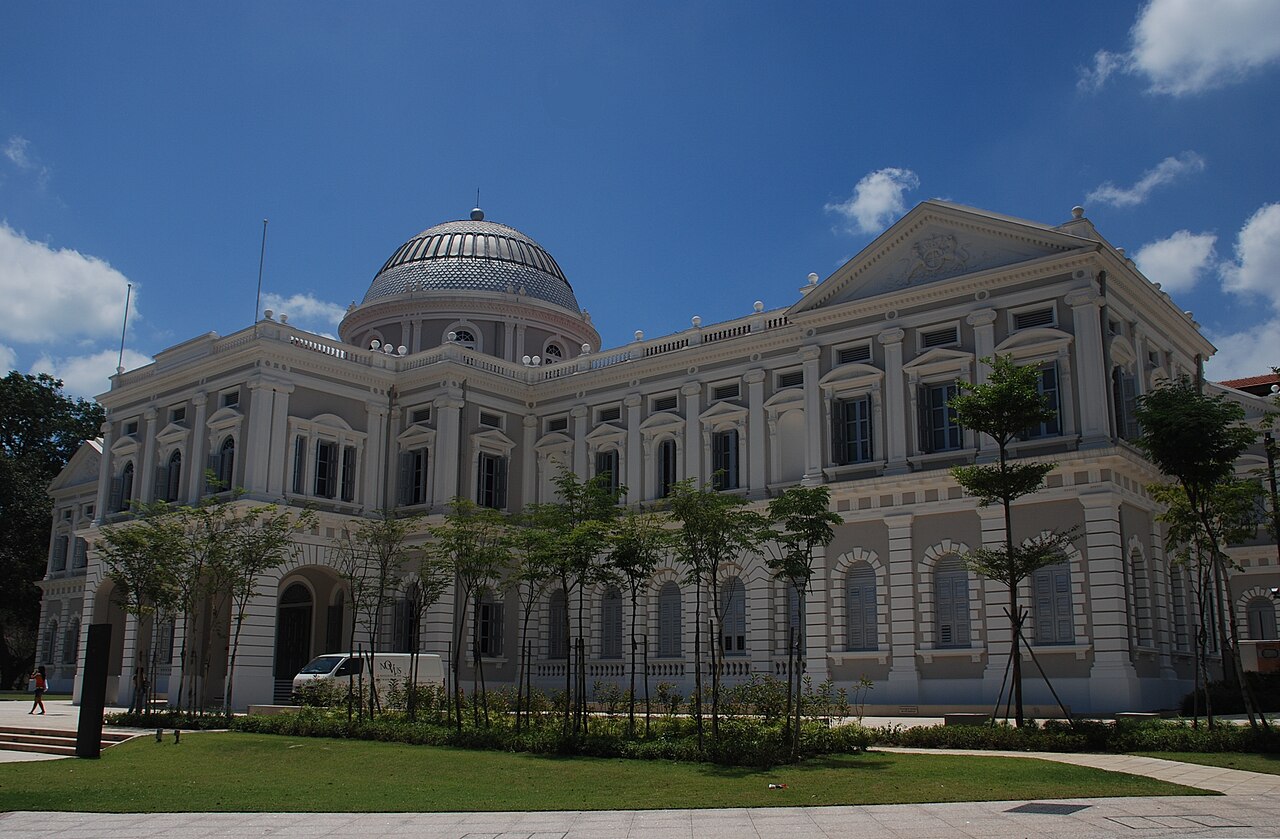
National Museum of Singapore
Founded in 1887, the National Museum of Singapore is the country's oldest museum, though its cu…
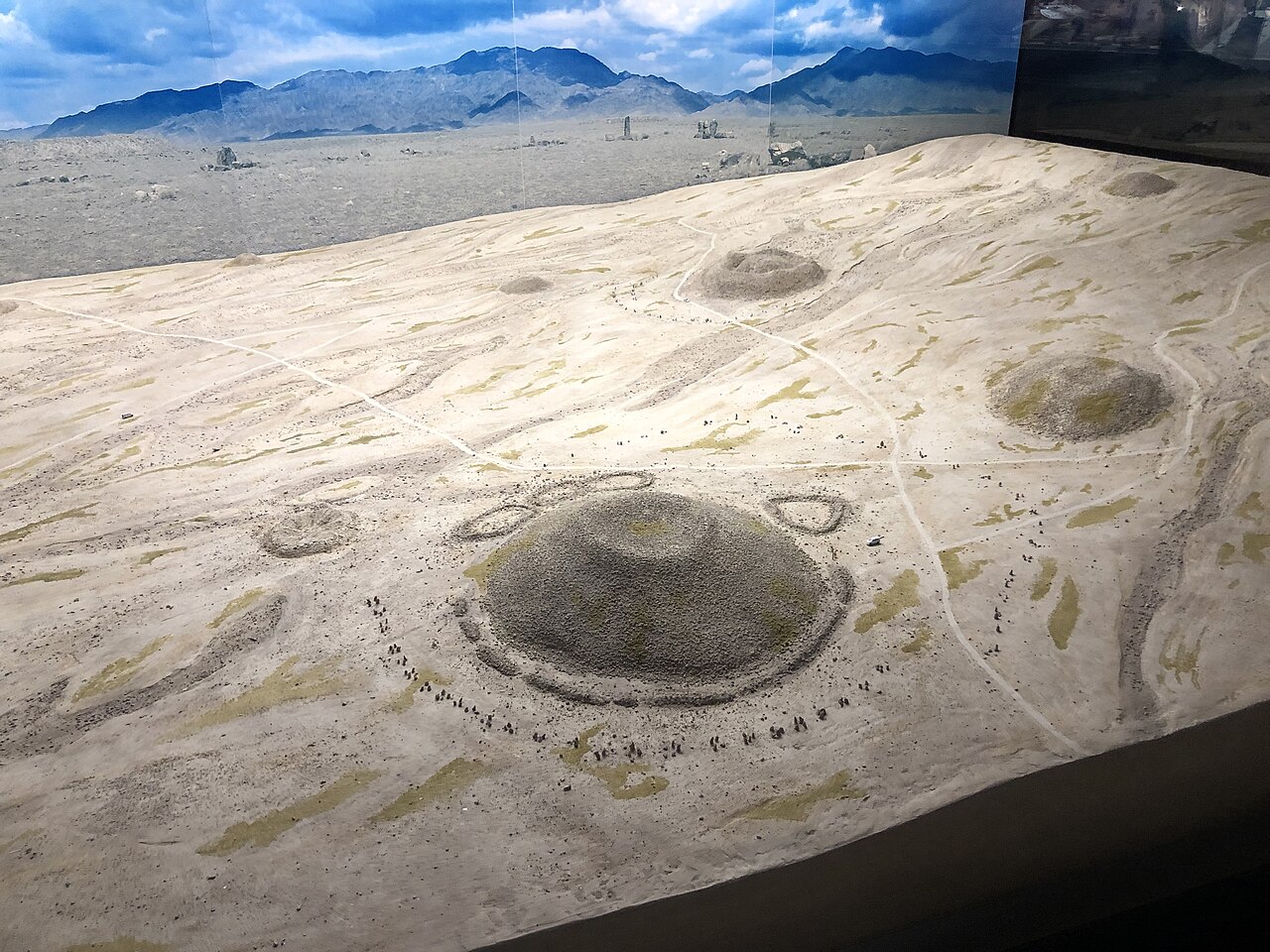
National Museum of the Republic of Kazakhstan
Central Asia's youngest and largest museum, established under the Cultural Heritage State Progr…